
SKY IS BLACK - Episode #72


After a year-long hiatus, Anton and BC are back with a new episode. Robots beware.
IN THIS EPISODE:
Why Black people, using A.I., will change the world as we know it | A new Black-owned A.I. tool for aspiring entrepreneurs | Unpacking the ancient Kemetic principle of Ma’at | Upcoming Black films and TV shows we’re excited about | Global Black events for your business and cultural calendar | How we are coping one year after the Eaton fire in Altadena | Our takeaways from an illuminating Black cowboy exhibit (Part 1)

SHOW NOTES:
"I can't wait to see these (Trinity cycles) rolling down the streets of Wakaddis." - BC
The Mayor of Addis Ababa, Adanech Abebe, discusses (in Amharic) recent changes to the Bole-Atlas area of Addis Ababa.

 B. Francis Clark




If you're traveling to Houston, consider staying at the Black-owned Wanderstay Hotel. Click to learn more.
 dmixlive




 B. Francis Clark
 John Kanellakos
 The New York Times
 Newsweek is a Trust Project member
 Reid Blackman
 Ethan Mollick
 Amanda Silberling


The African-American struggle for freedom has impacted and improved the lives of all Americans. This conversation was recorded on the day of the March on Washington in 1963, during which Martin Luther King gave his famous "I Have a Dream" speech.
Wynton Marsalis discusses the practice and exhibition of balance, harmony, order, and respect (not coincidentally the principles of Ma'at) as expressed in the African American musical art form known as jazz. This is what democracy looks like.

See how Kathryn Finney got her own day in New York.

 BUILD community


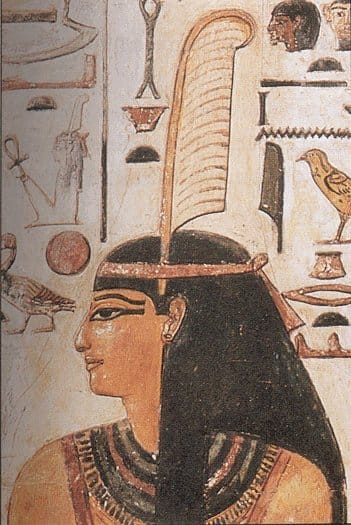
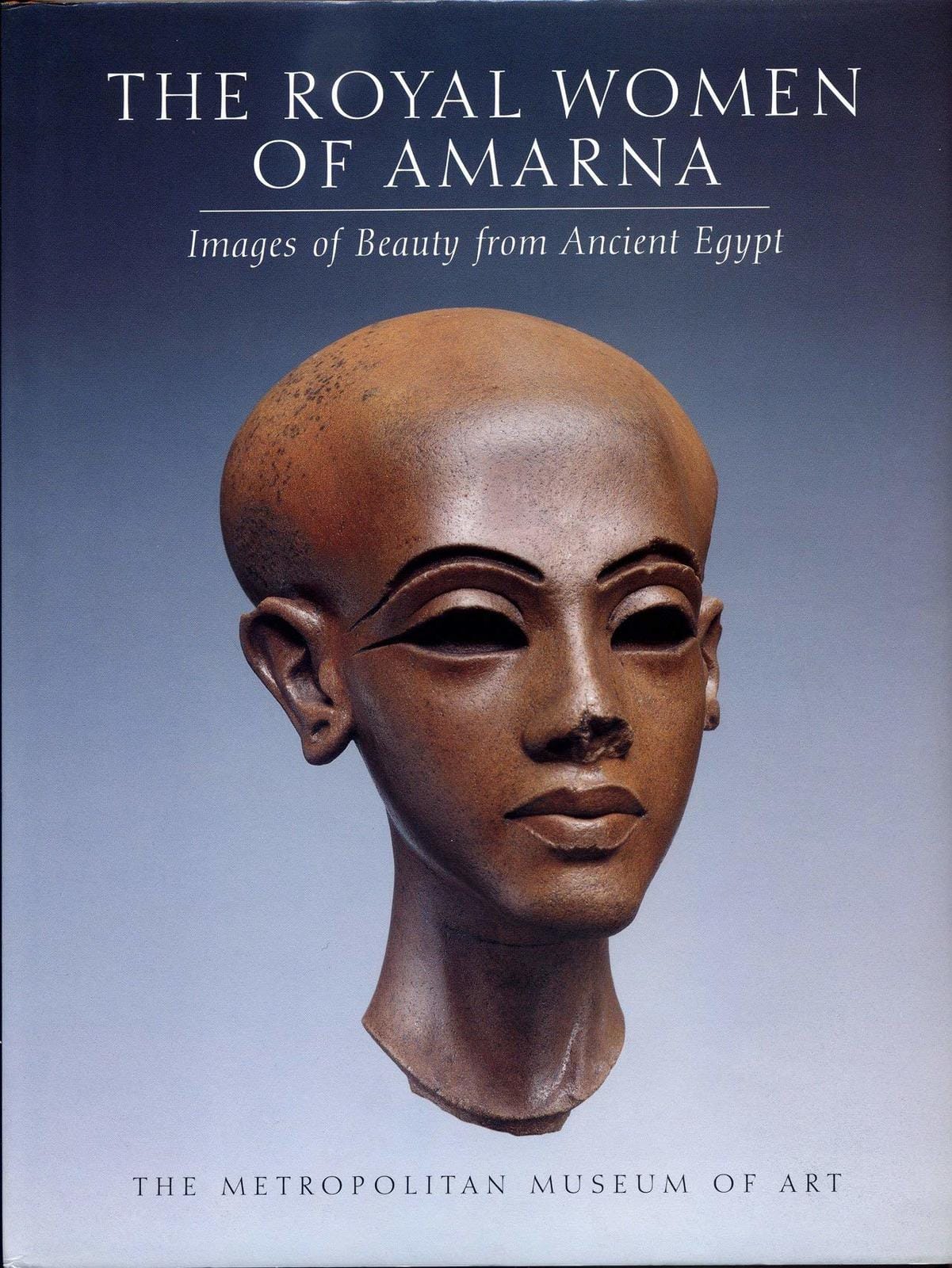
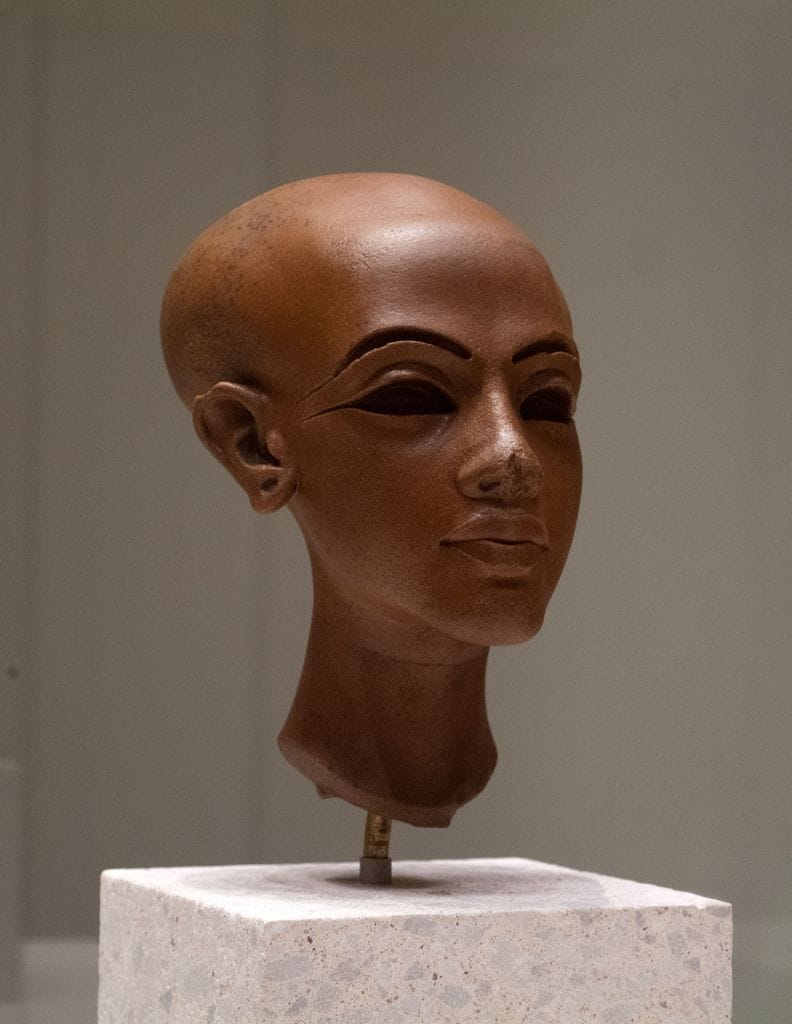
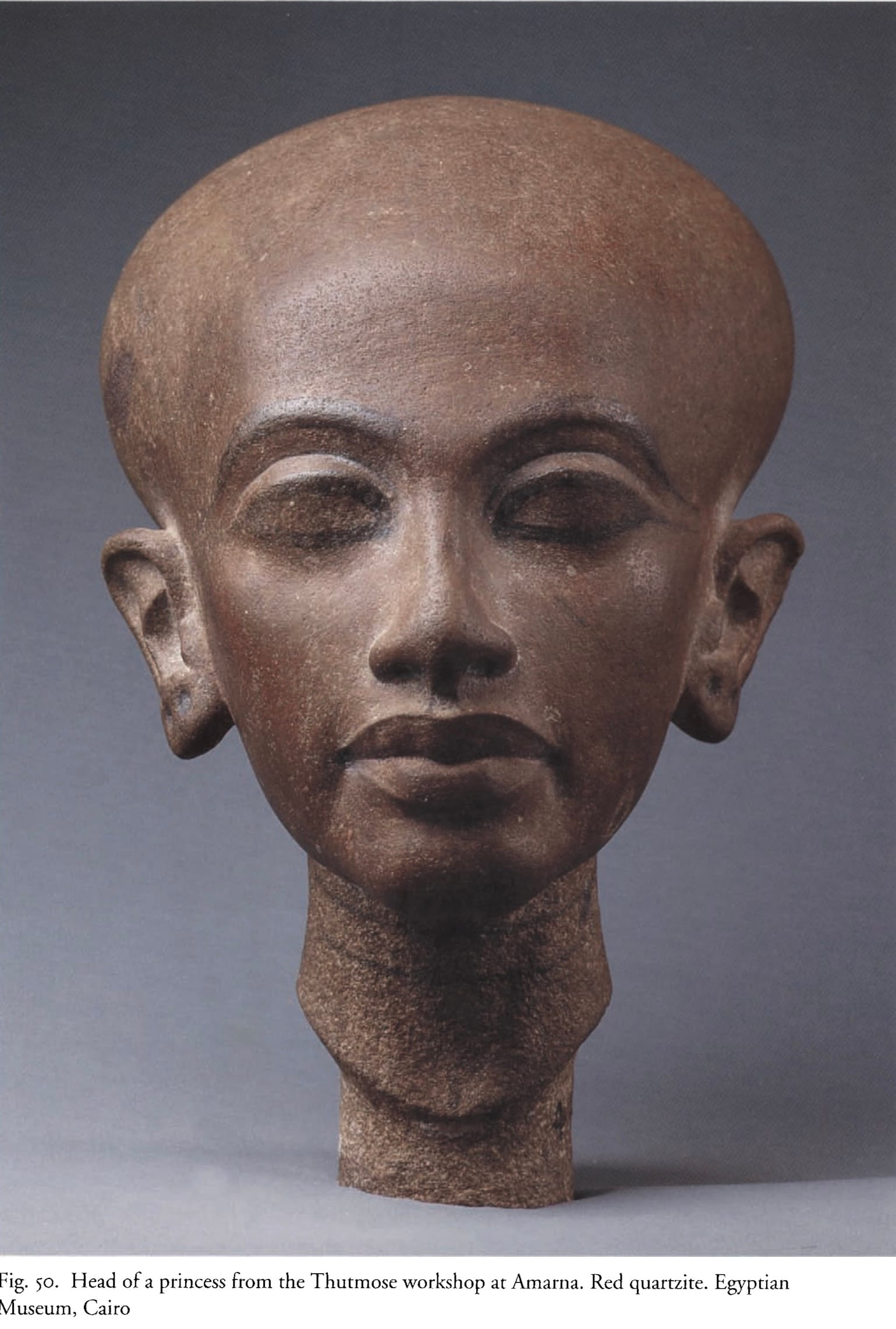
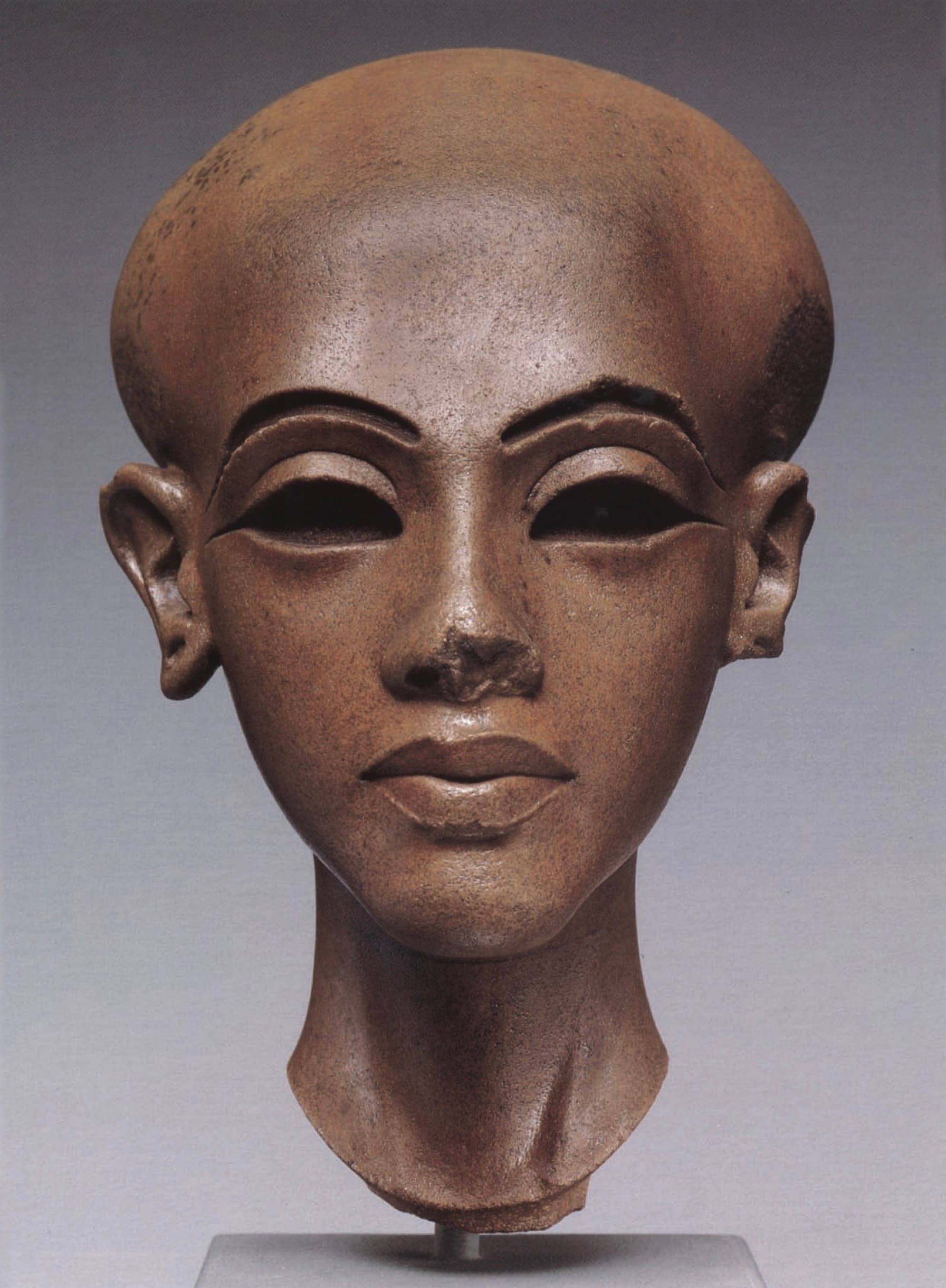
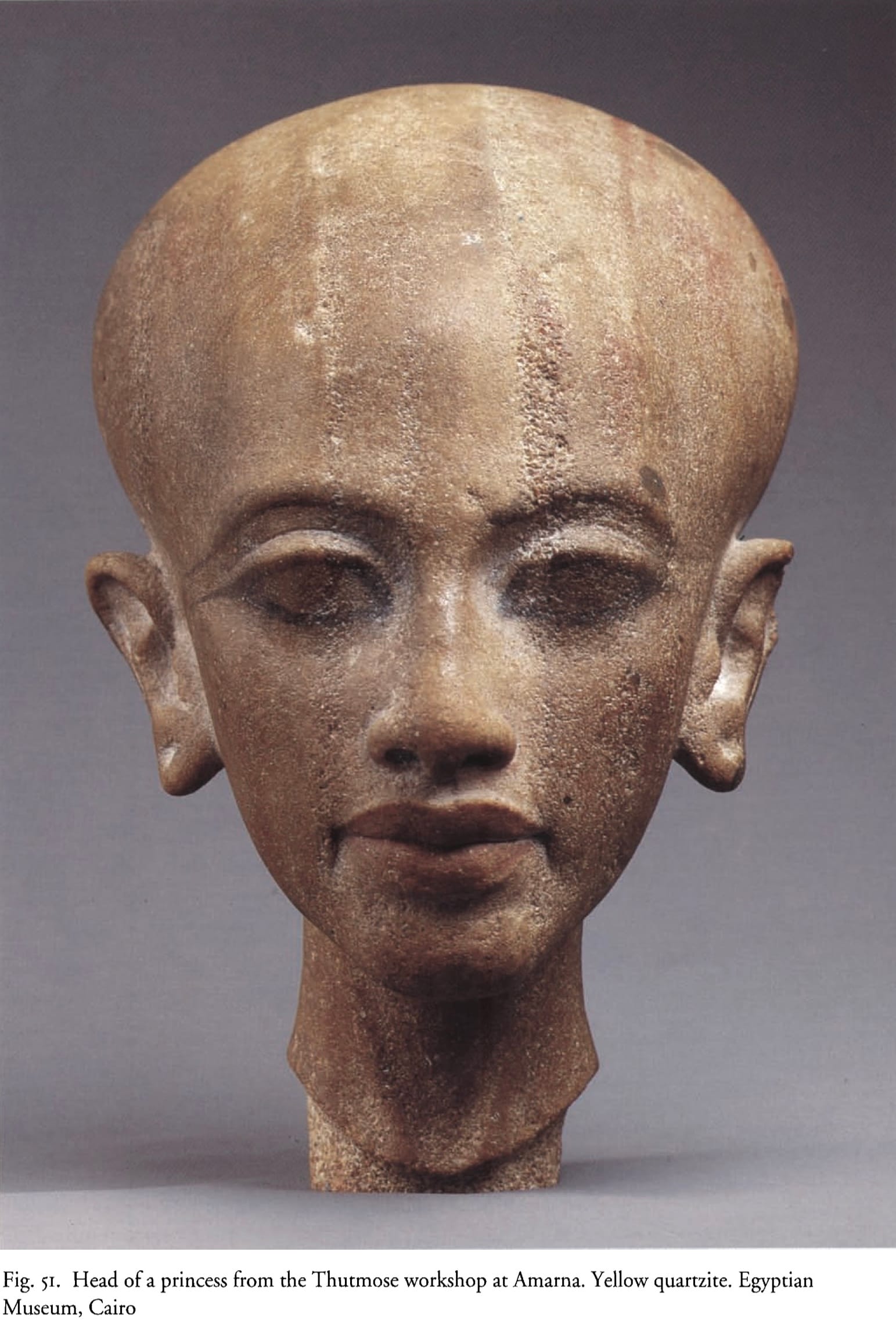
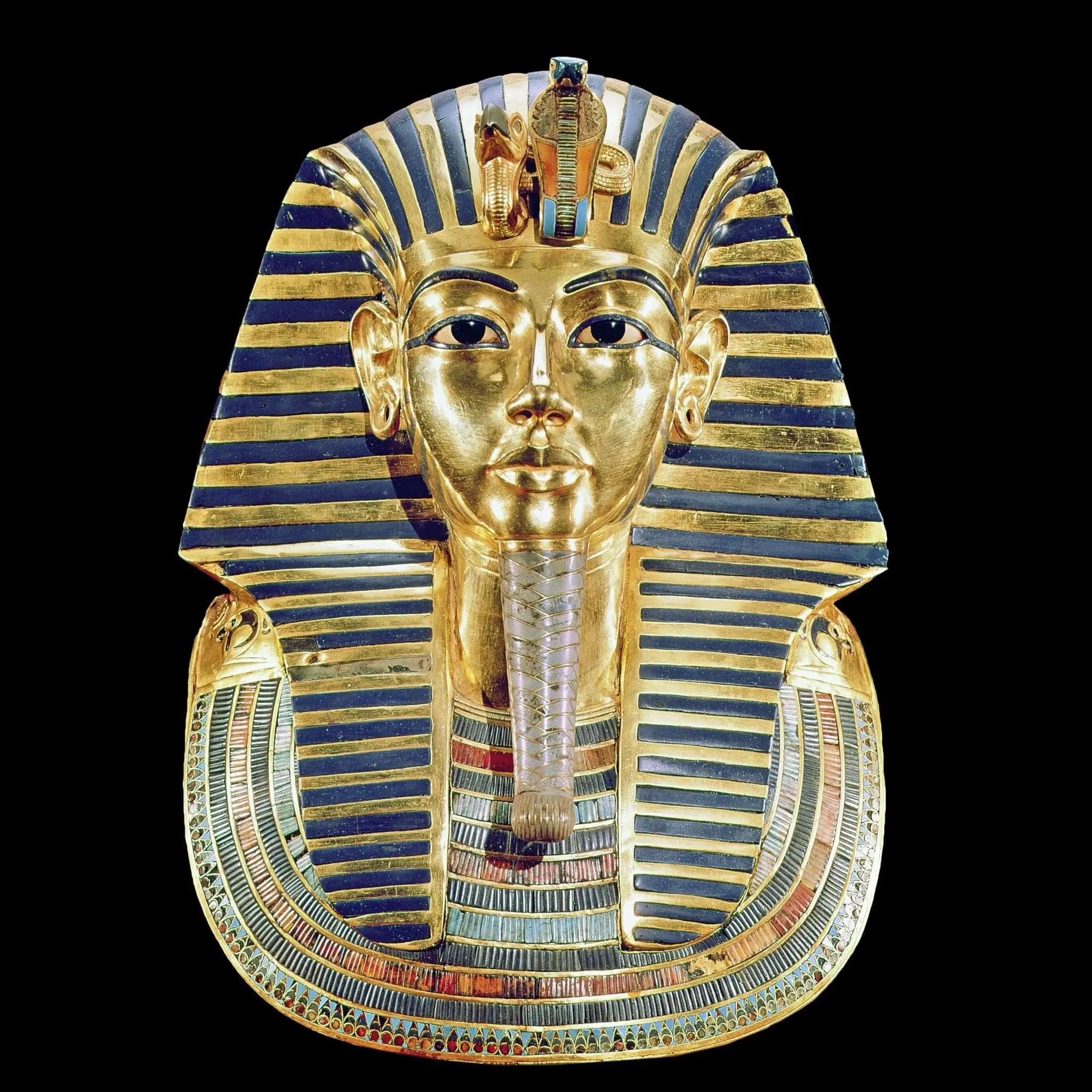
Royal women during Kemet's 18th Dynasty. King Tut ruled during the 18th Dynasty.
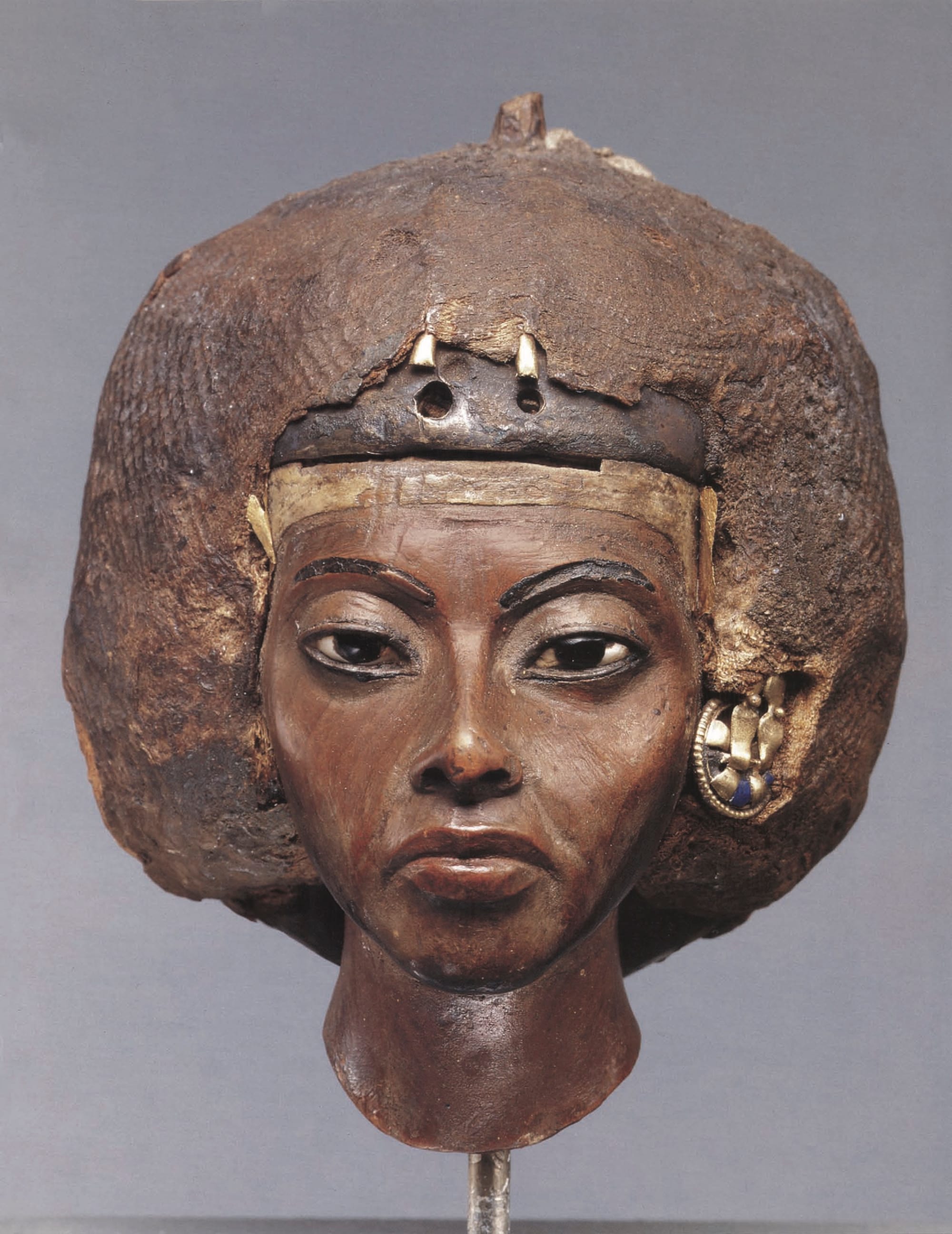
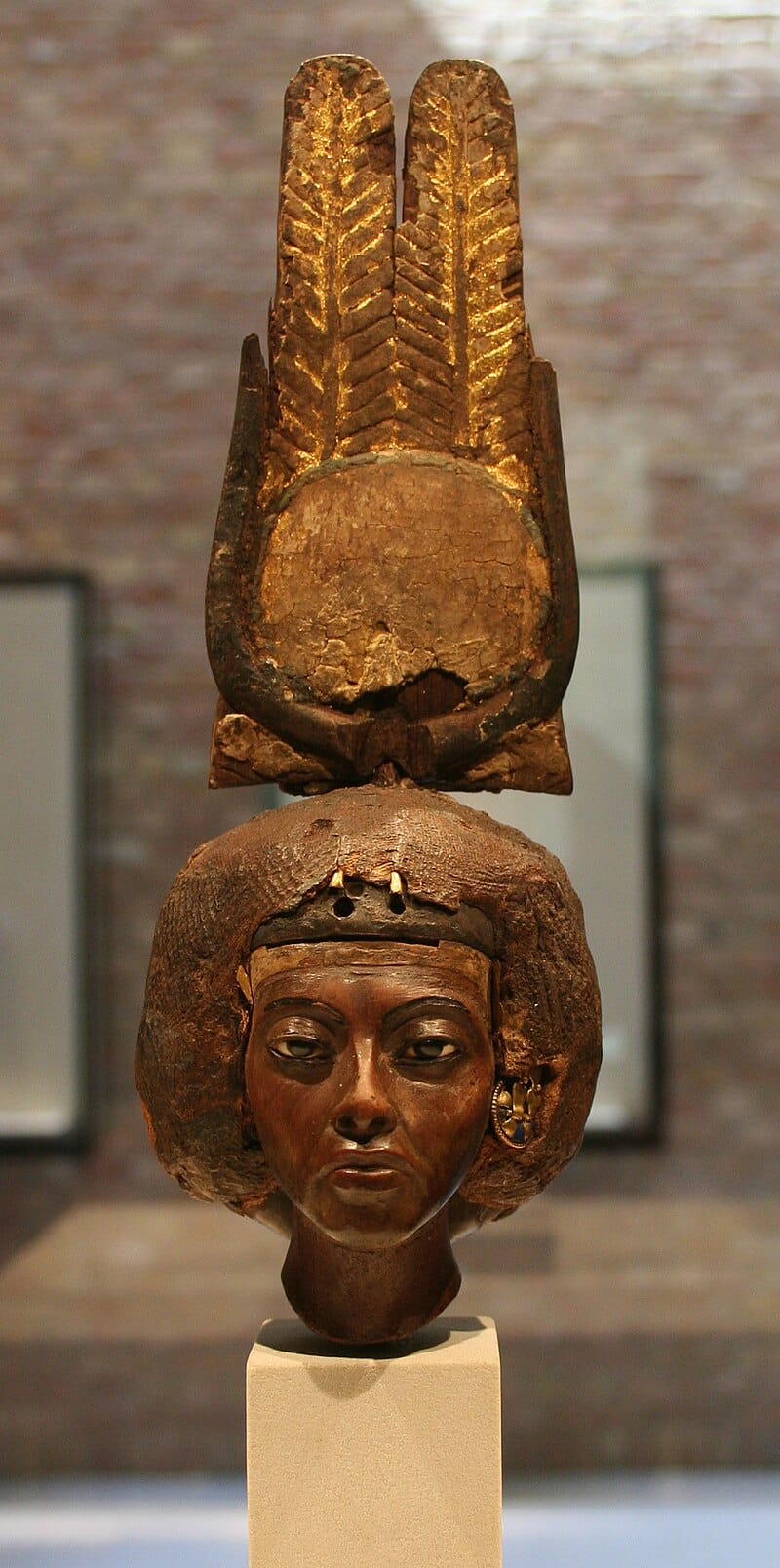
Queen Tiye, of Kemet's 18th Dynasty.
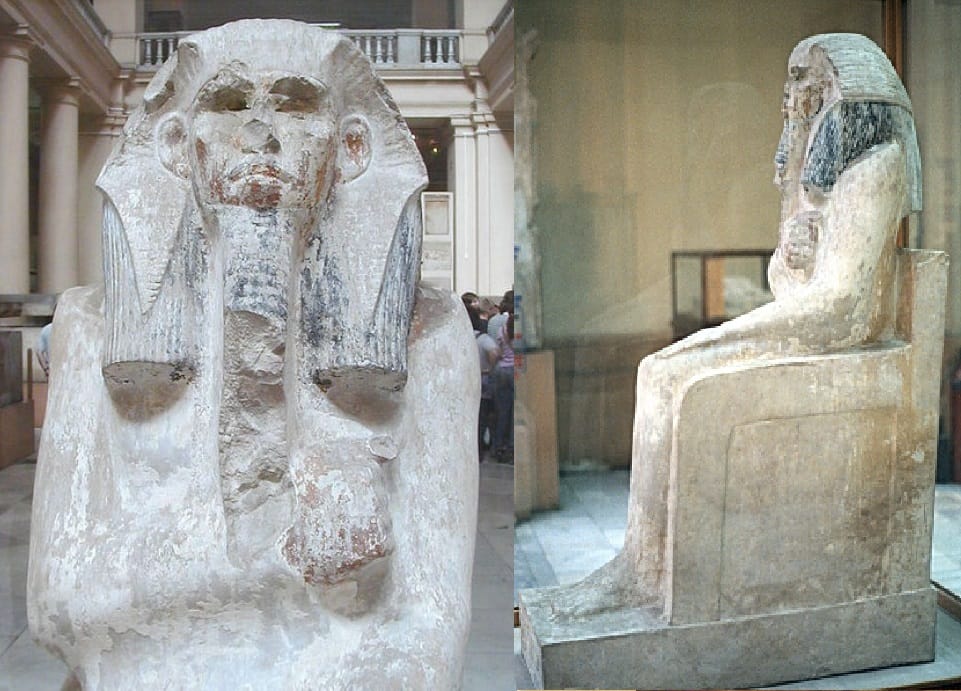
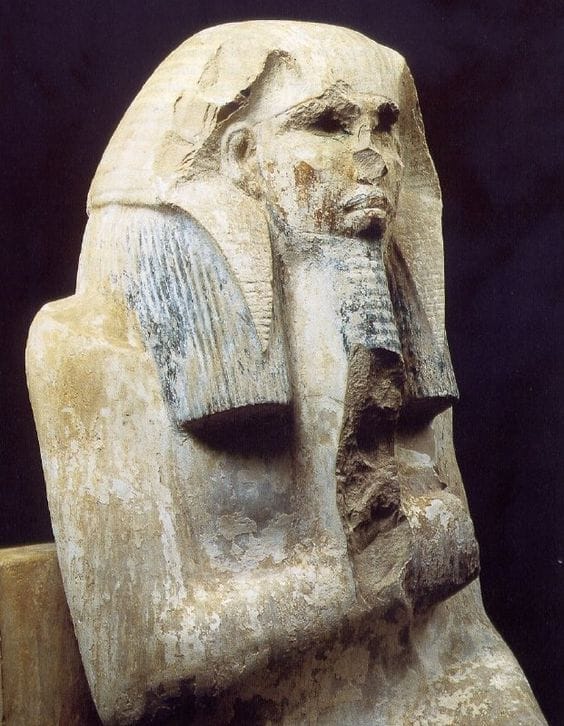
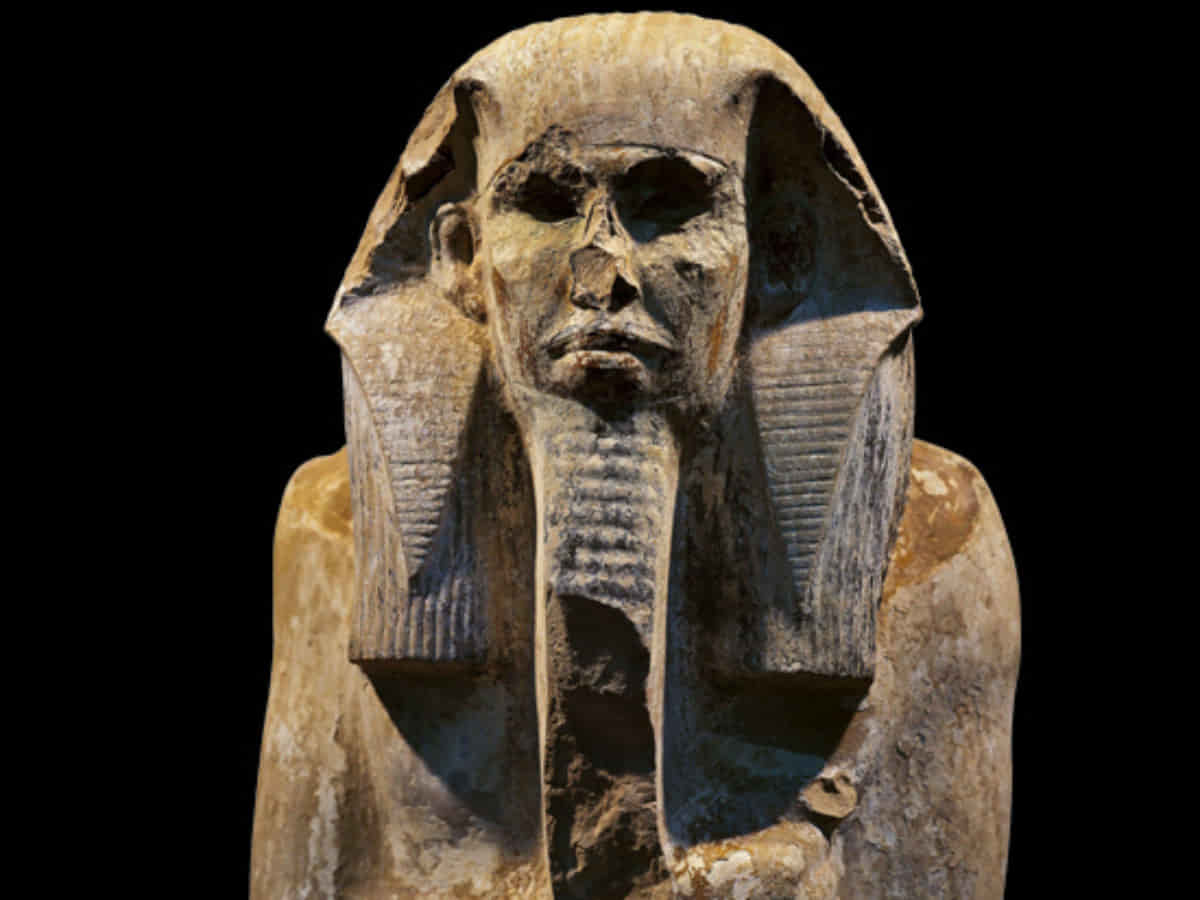
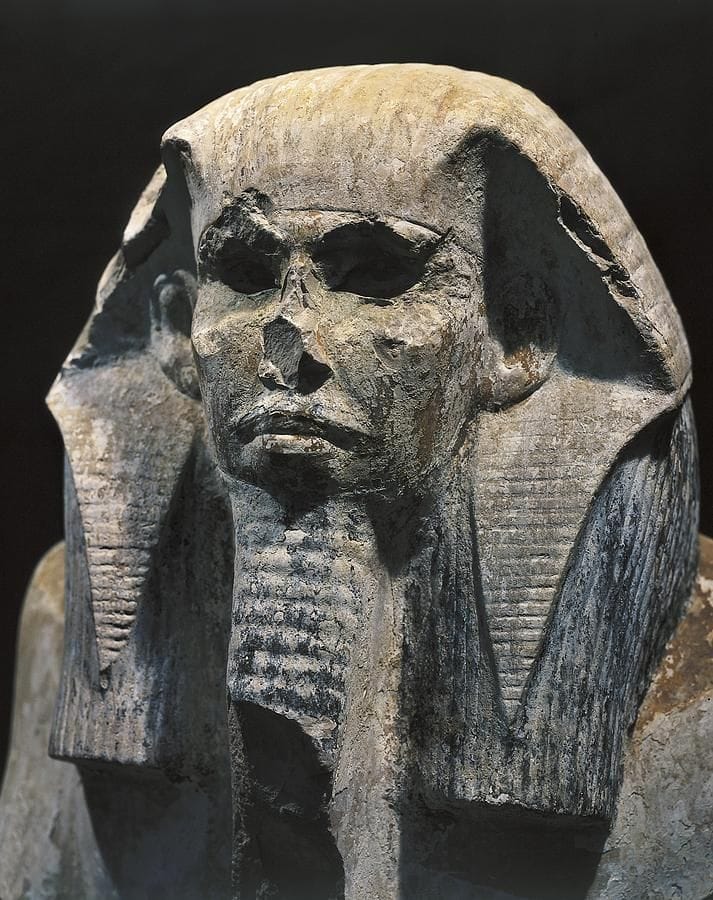
King Djoser, and all rulers of Kemet, were expected to exhibit and uphold the principles of Ma'at.
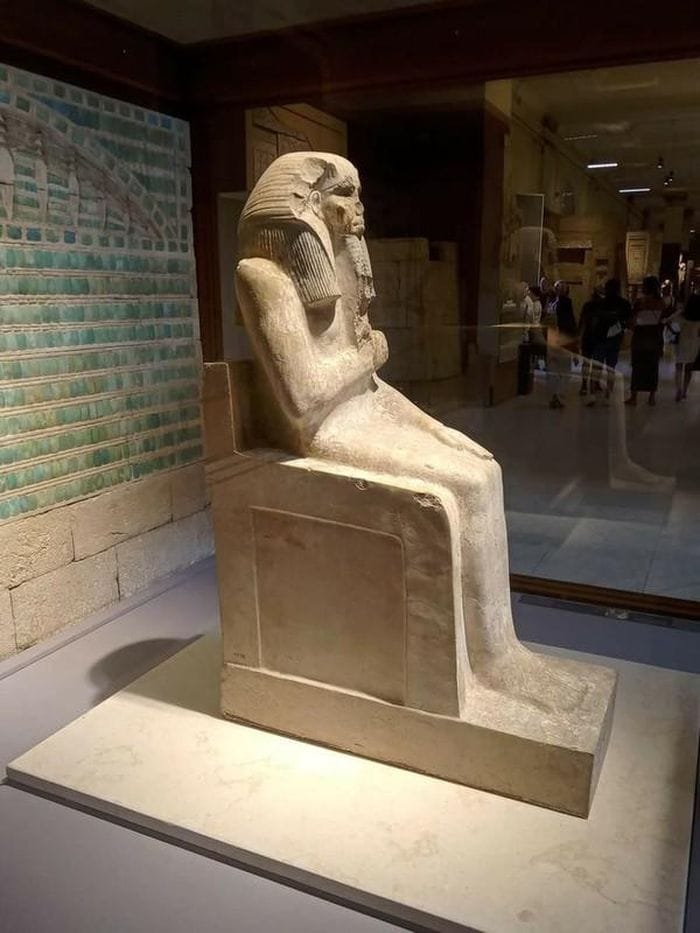
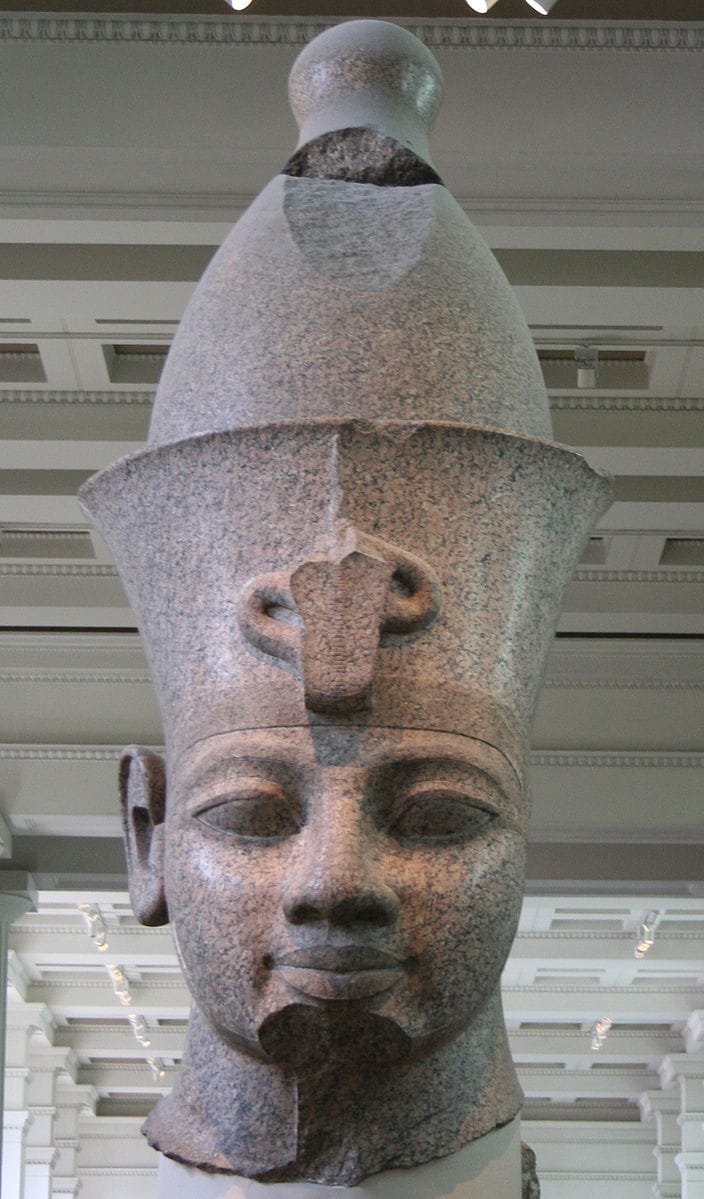
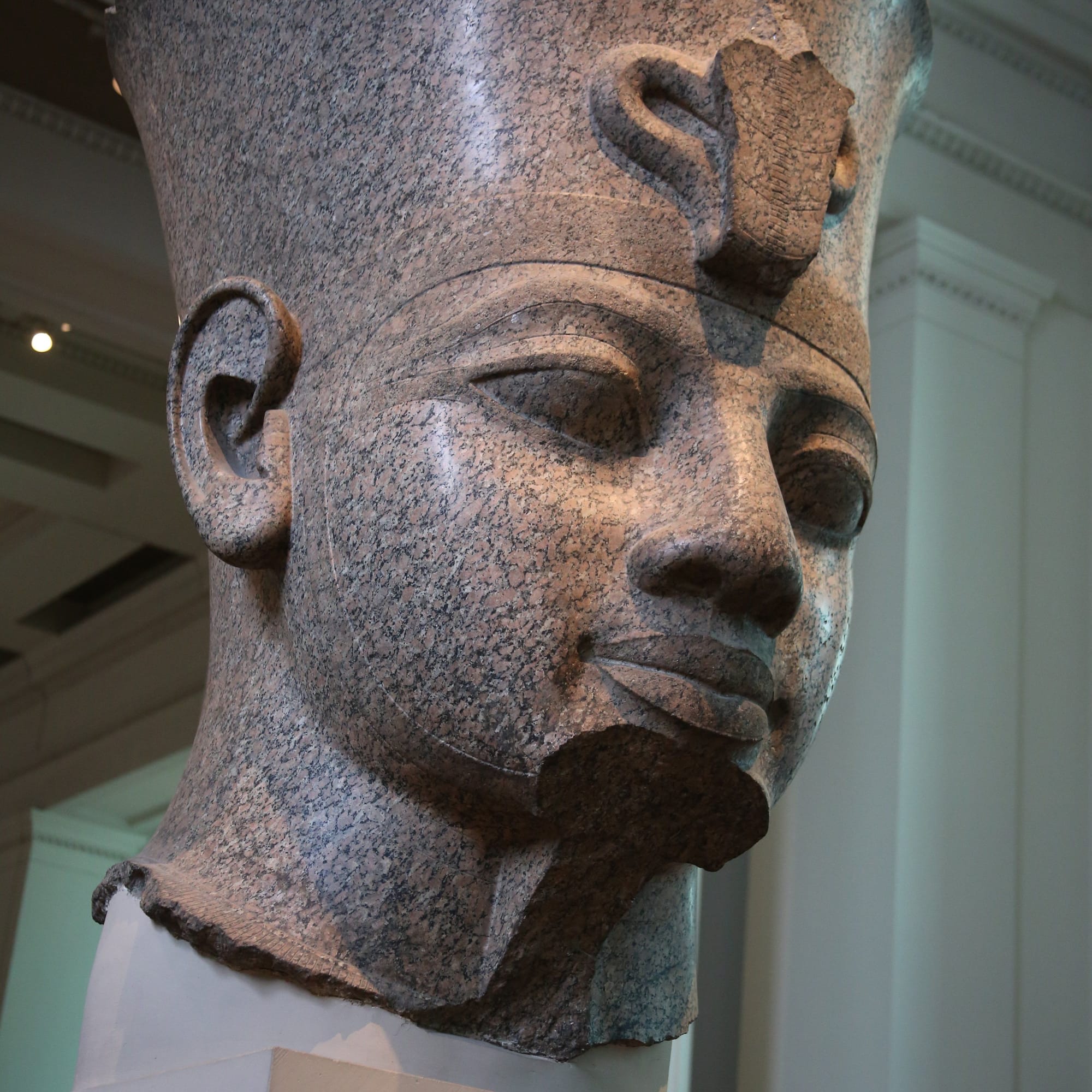
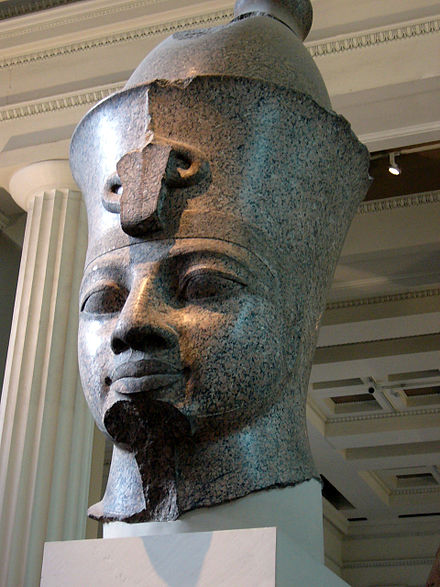
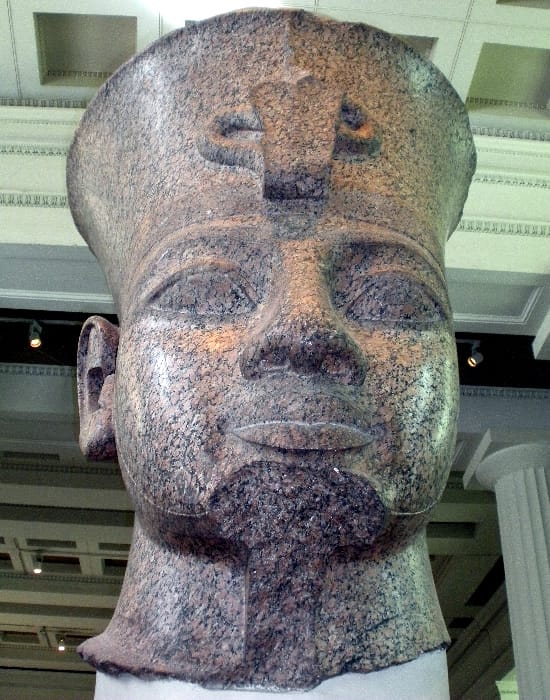
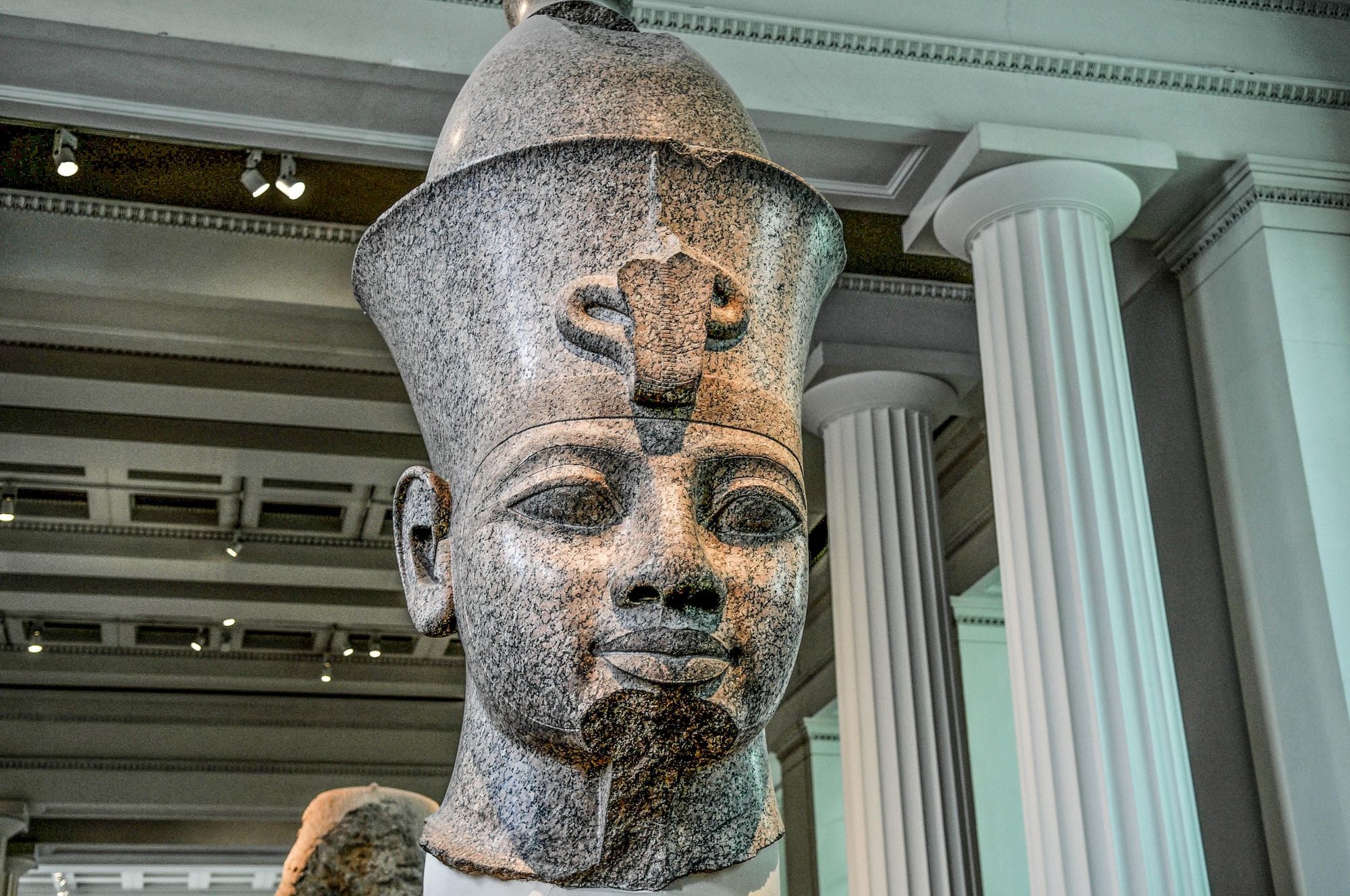
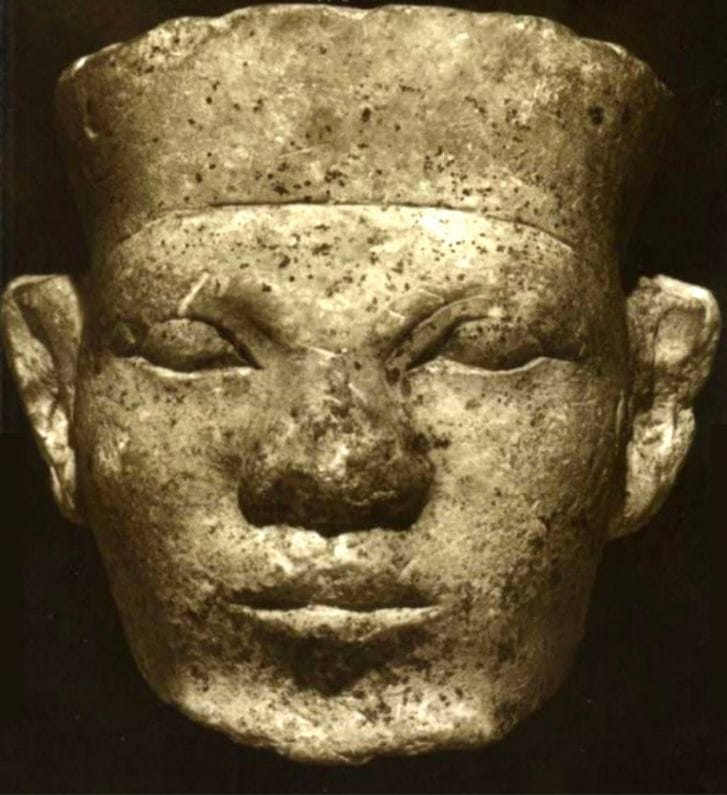
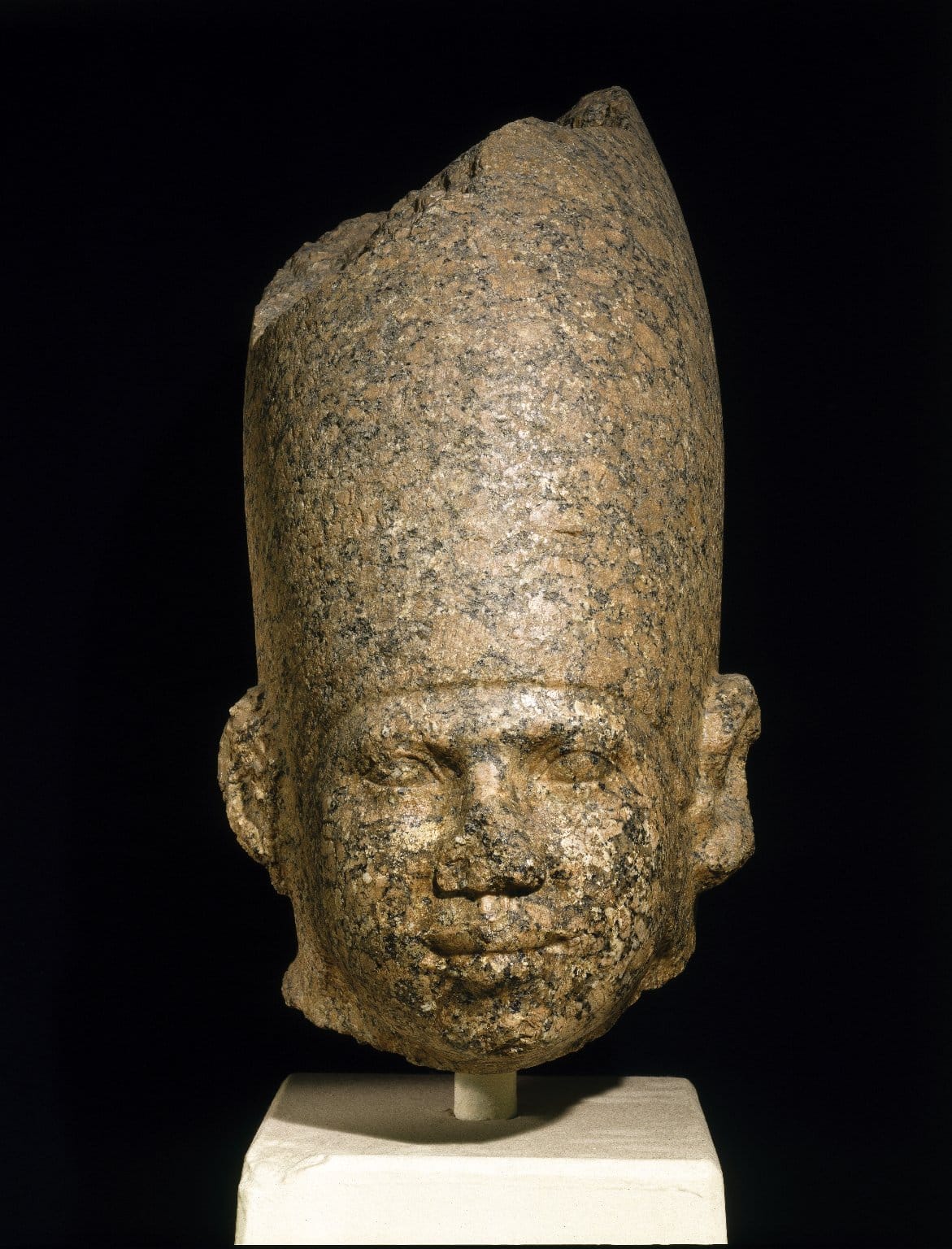
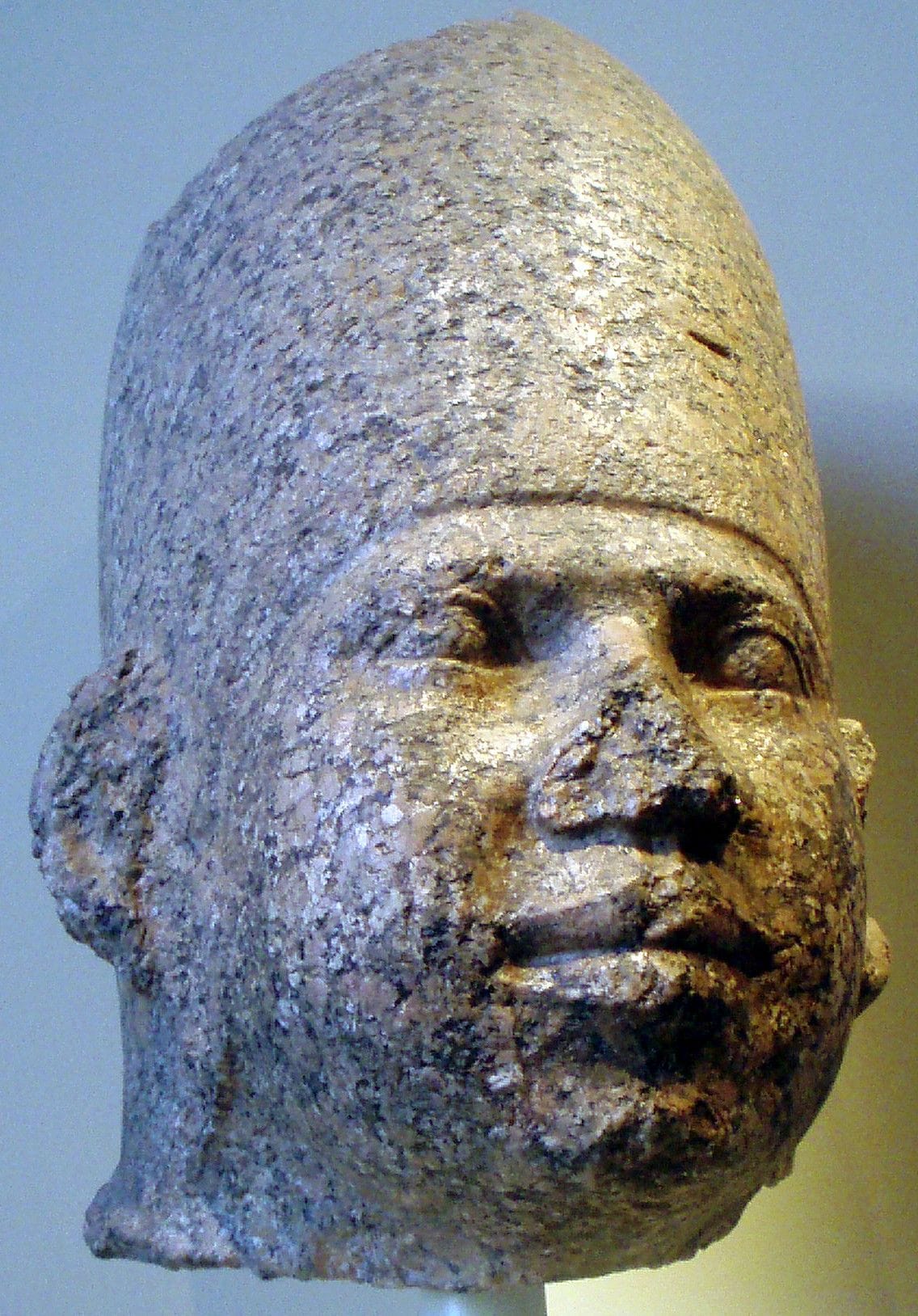
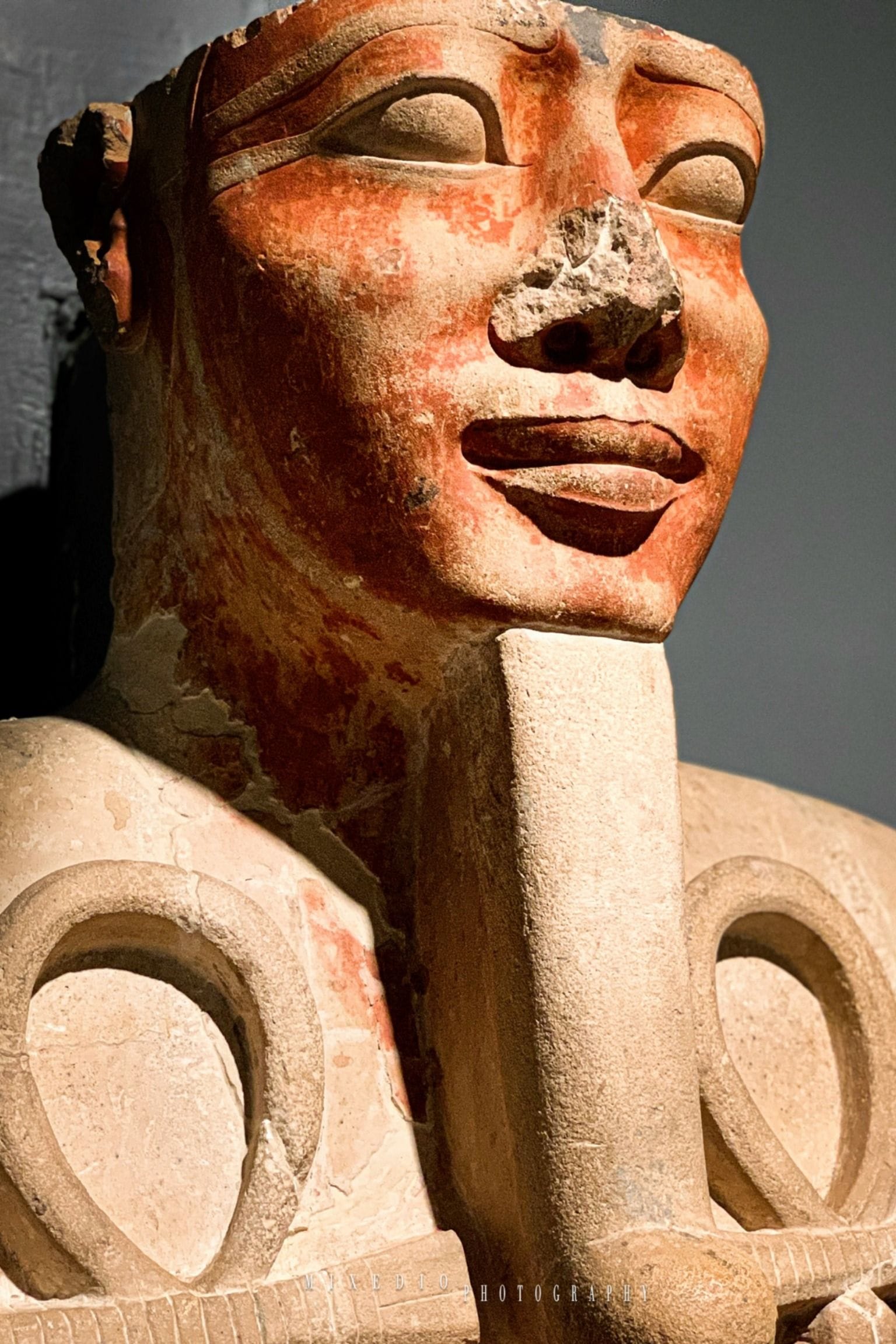
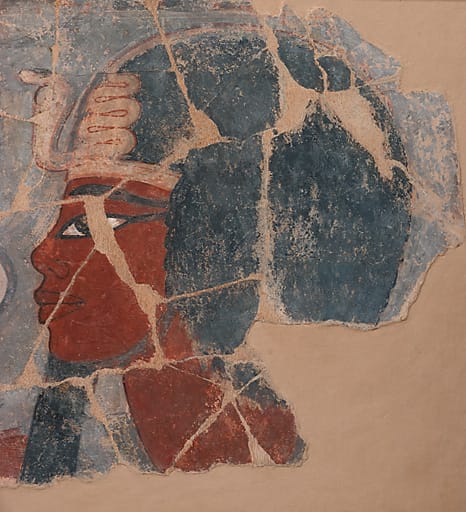
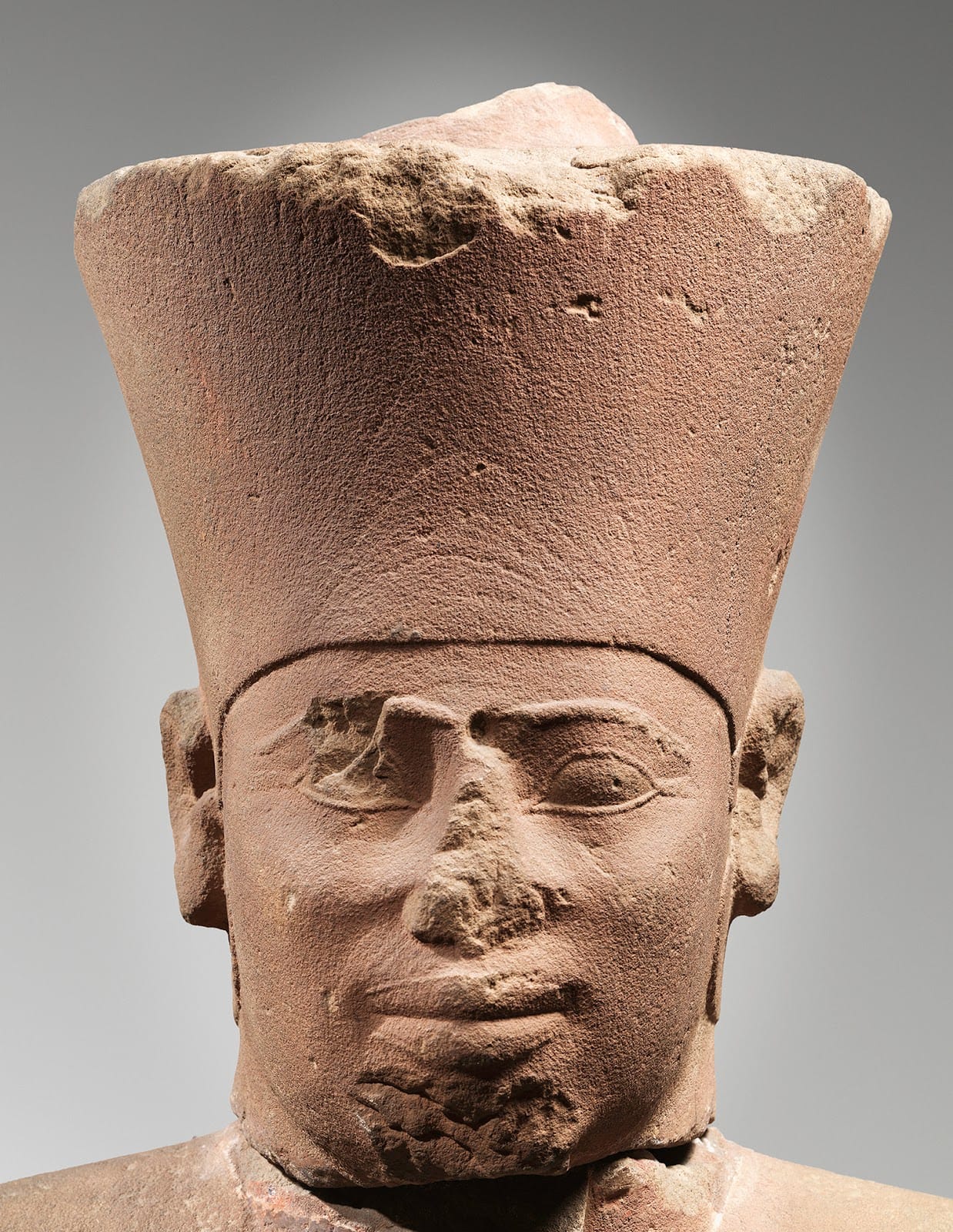
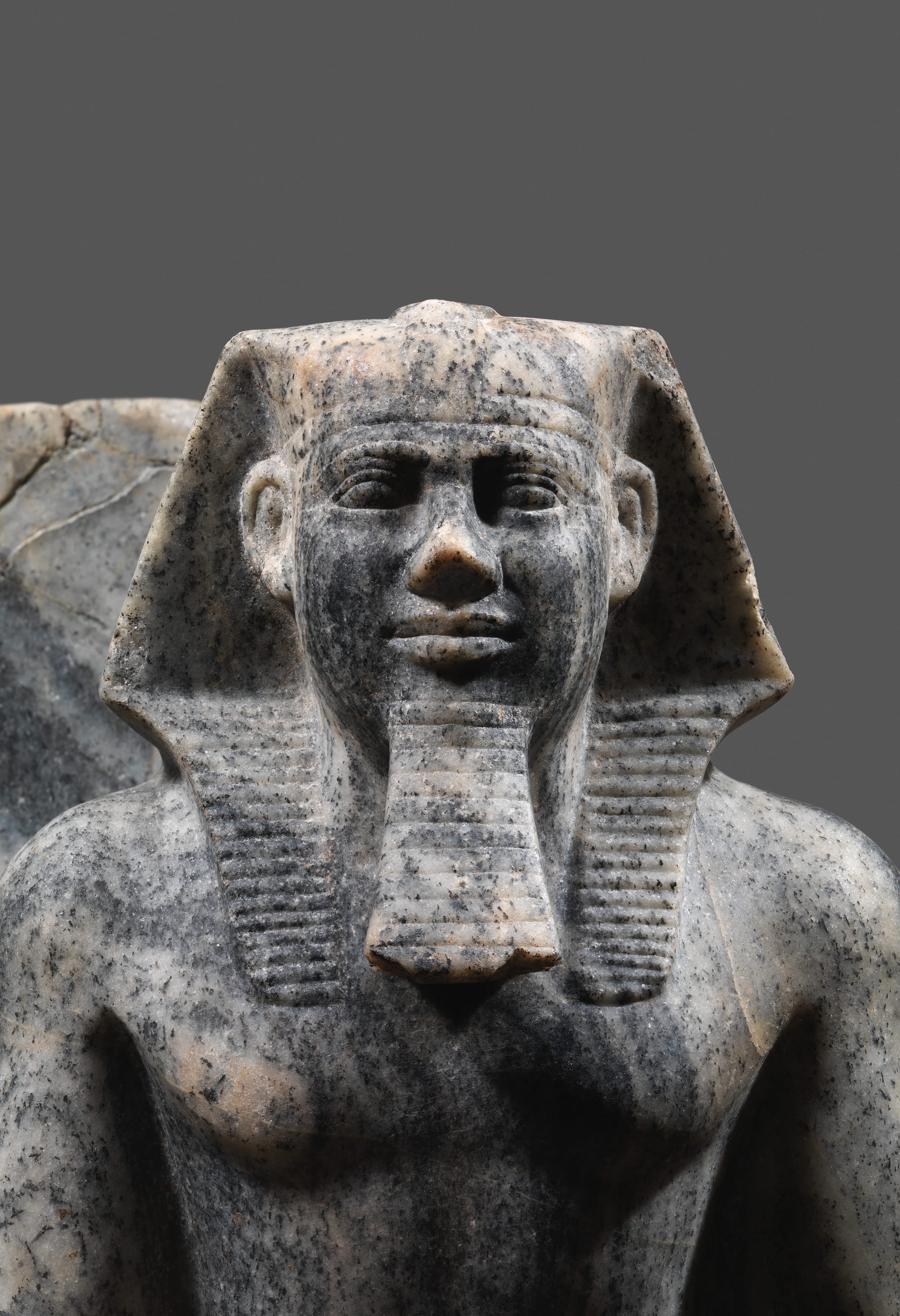
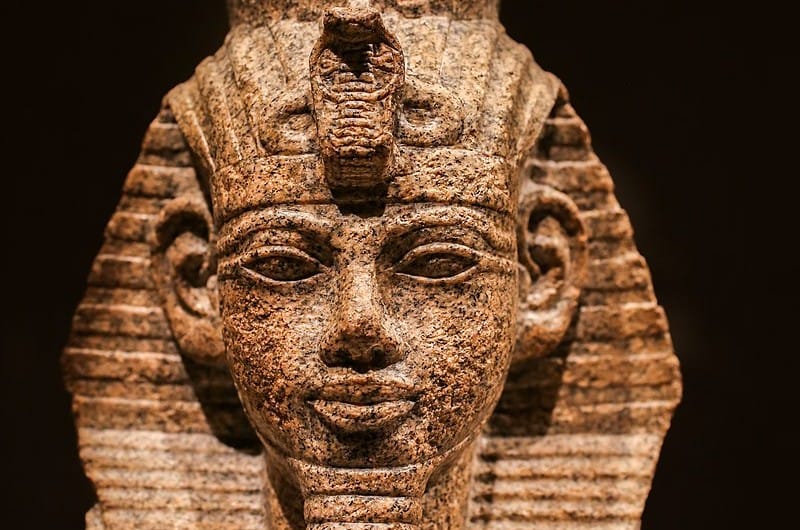
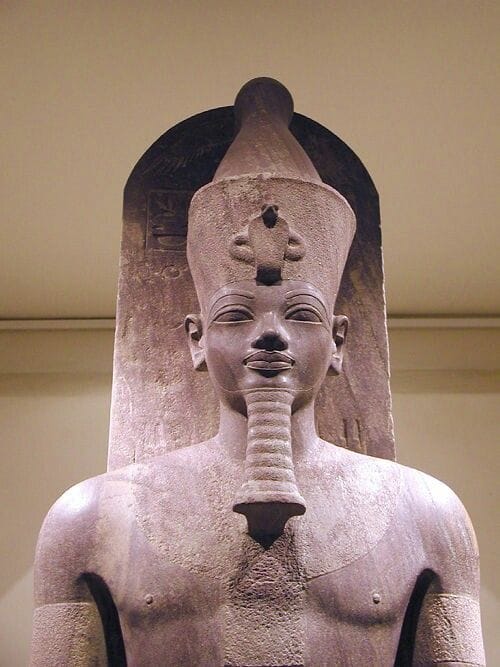
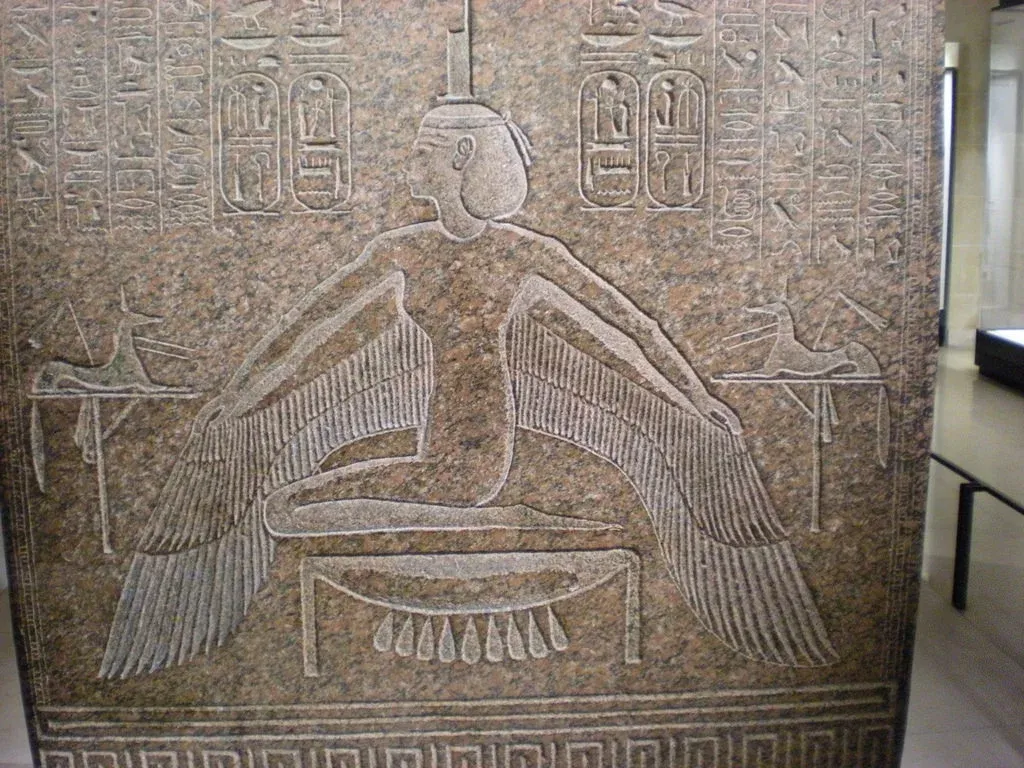
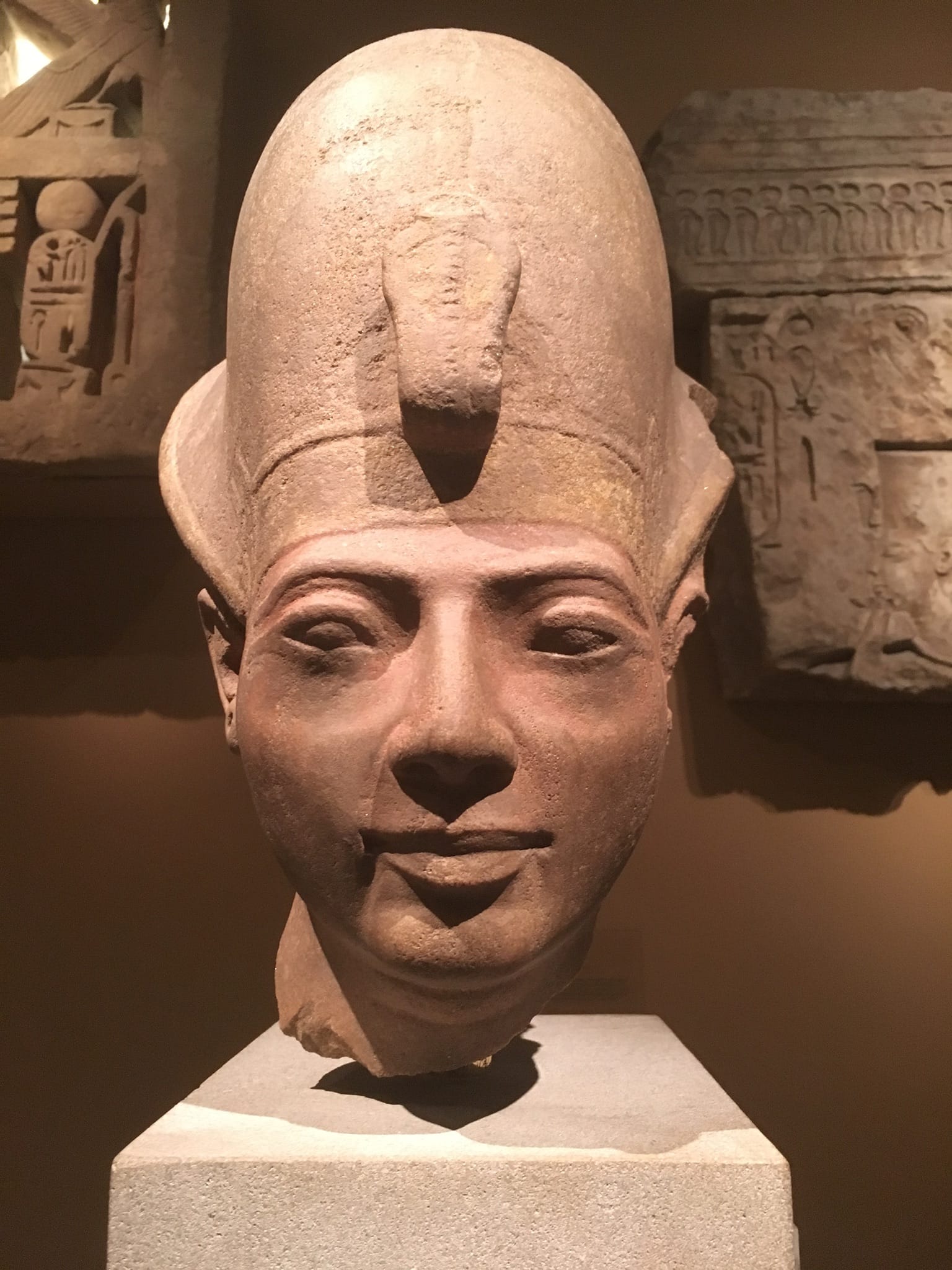
Before being conquered by Greeks, Romans, and Arabs, the Kings of Kemet were expected to exhibit and uphold the principles of Ma'at.
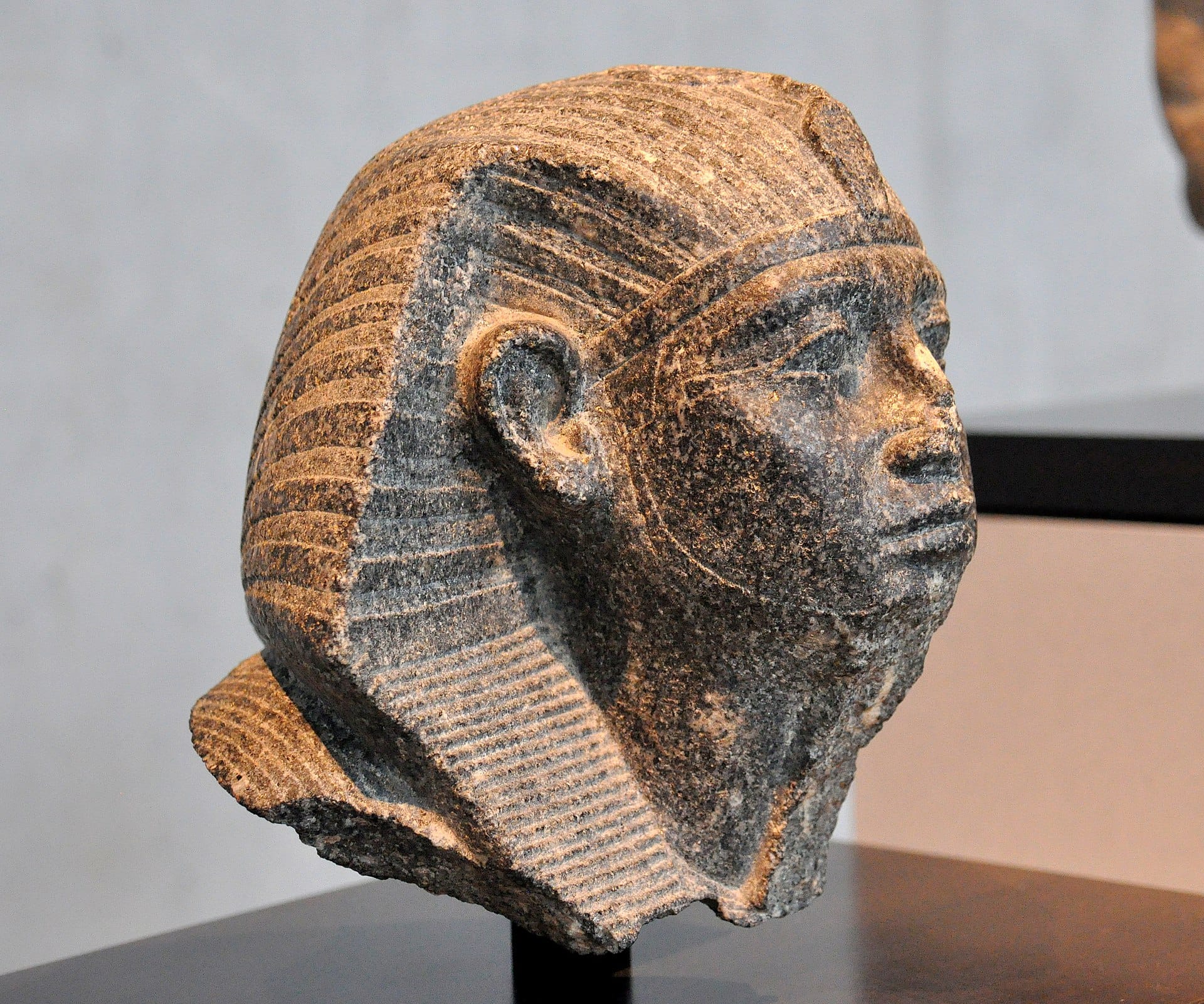
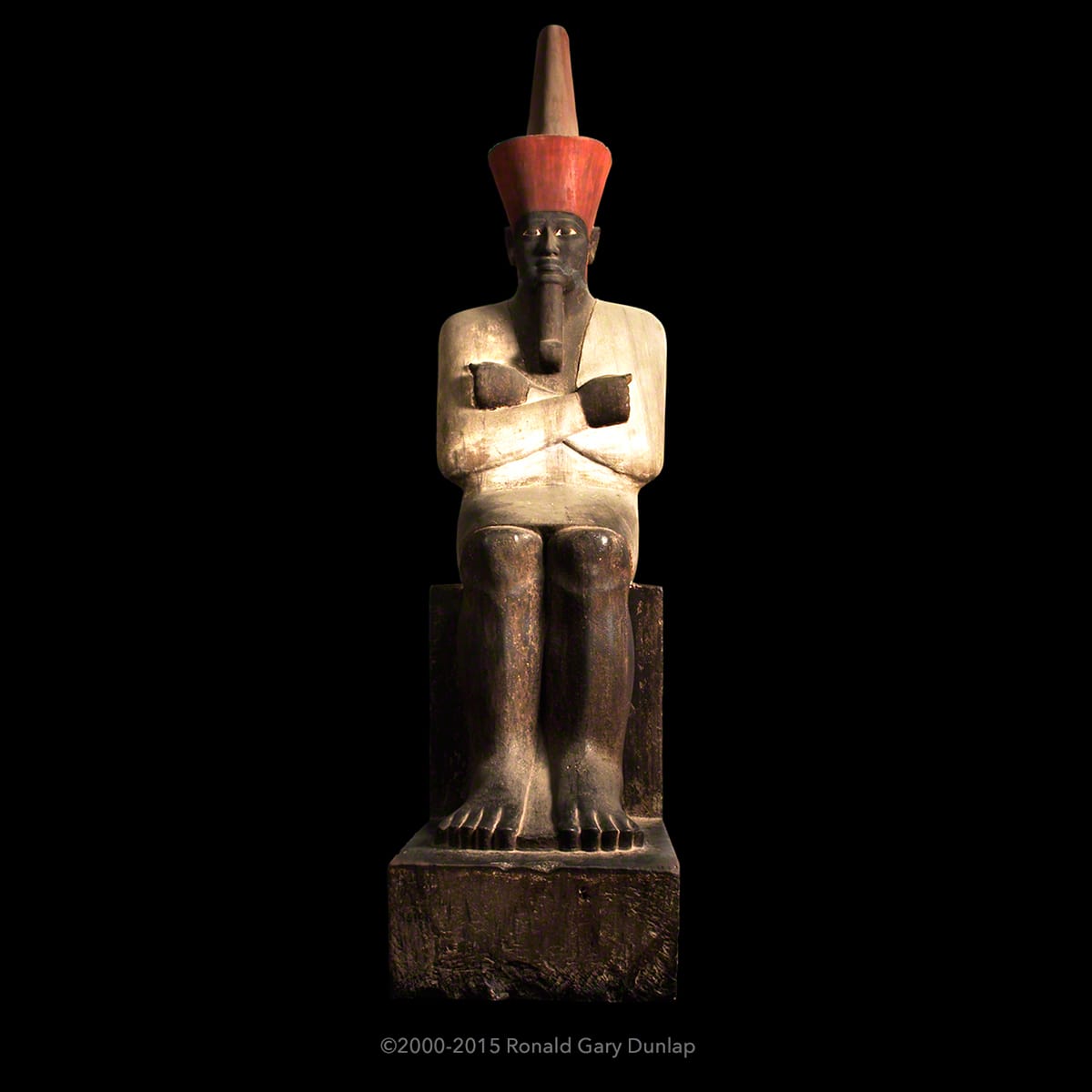
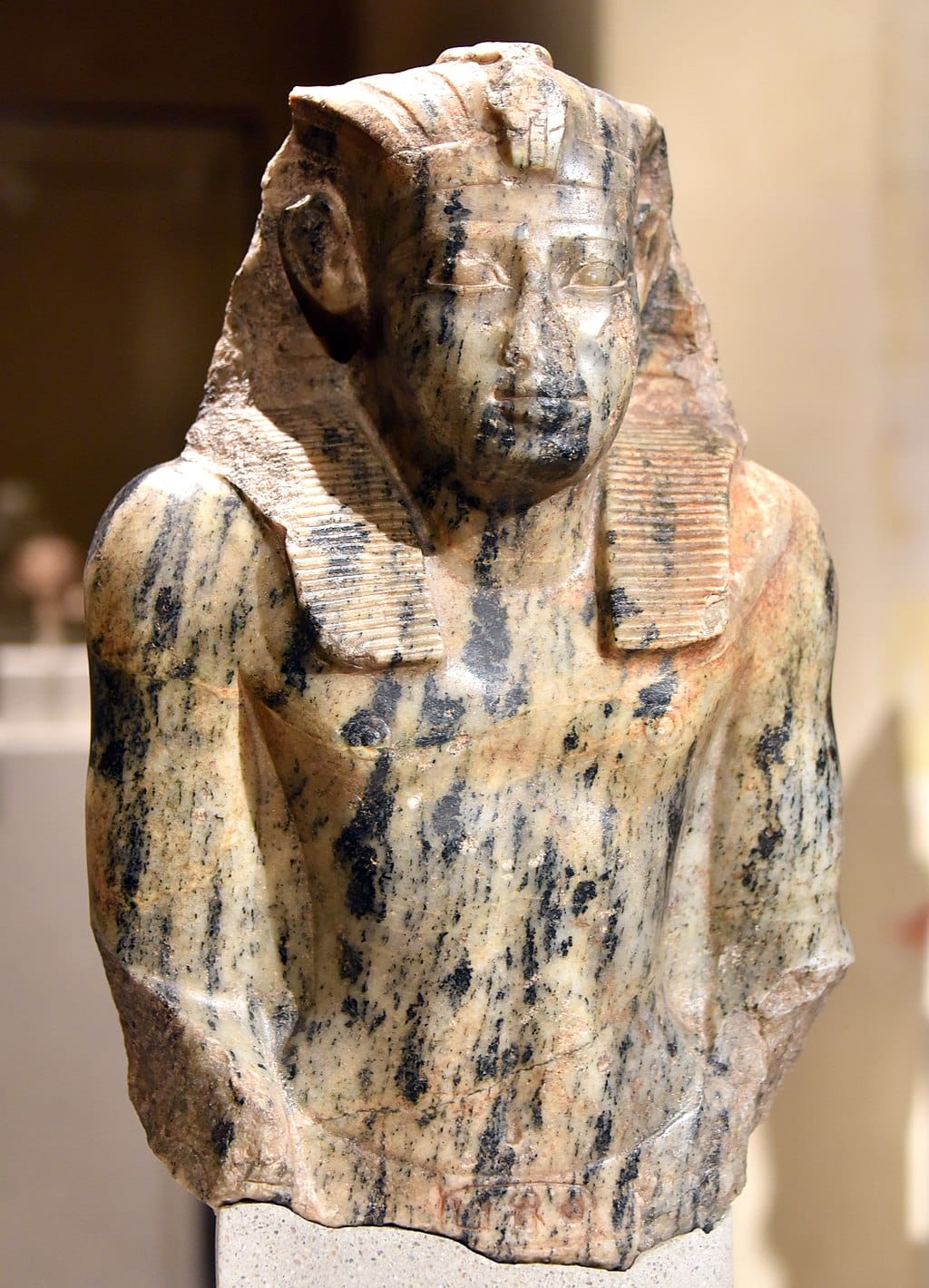
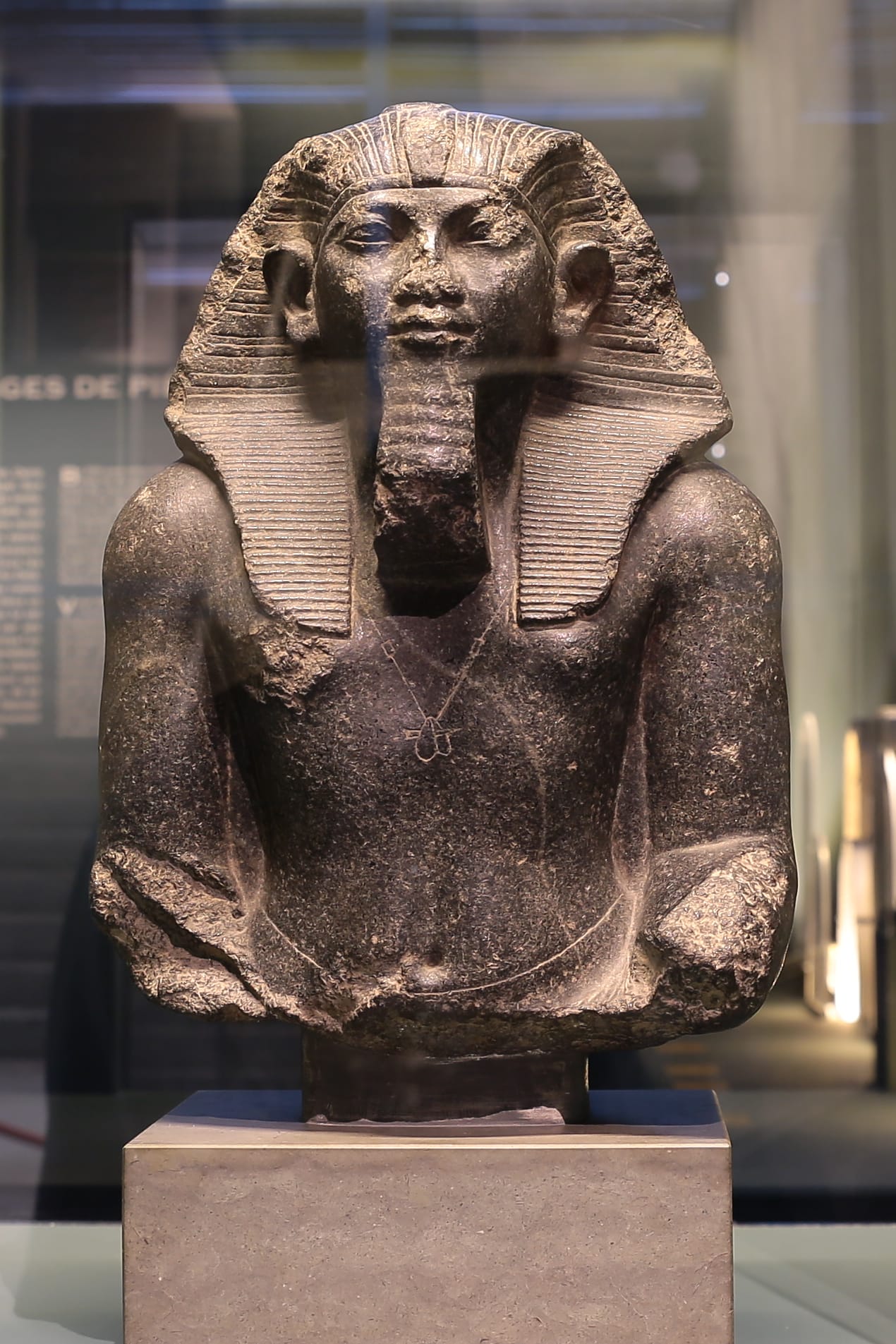
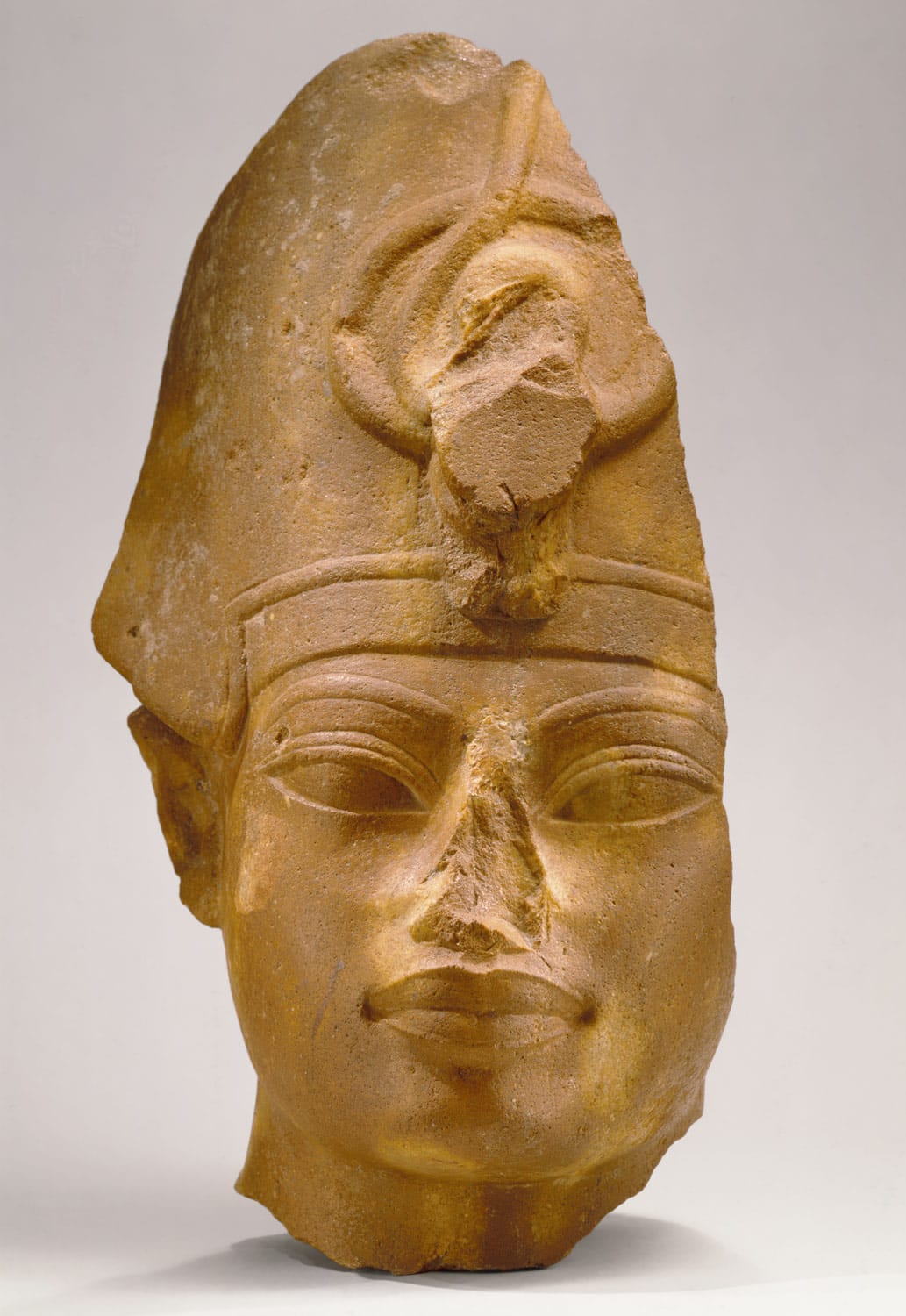
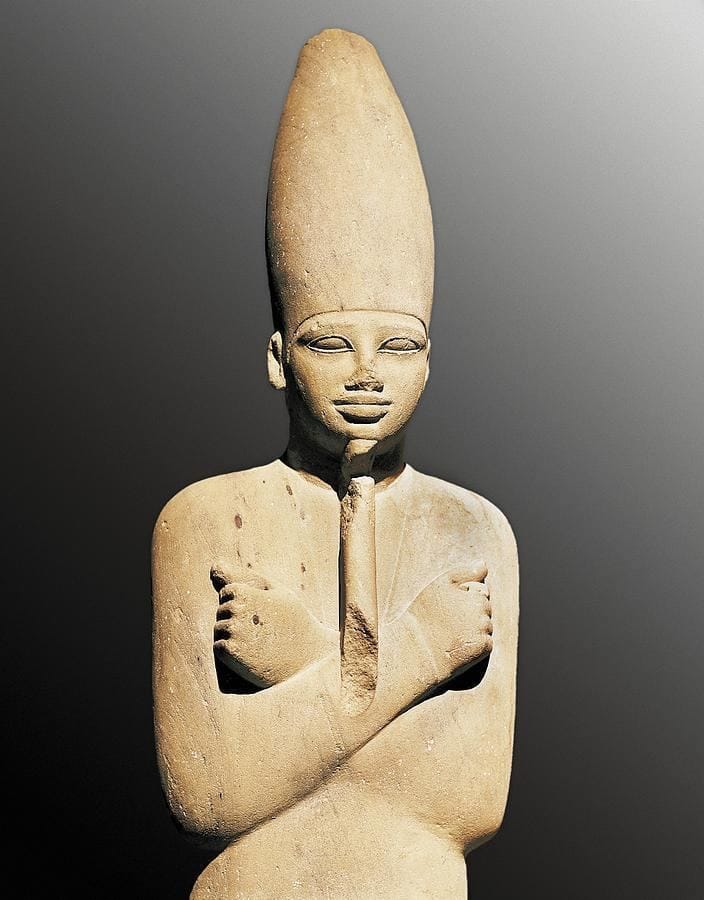
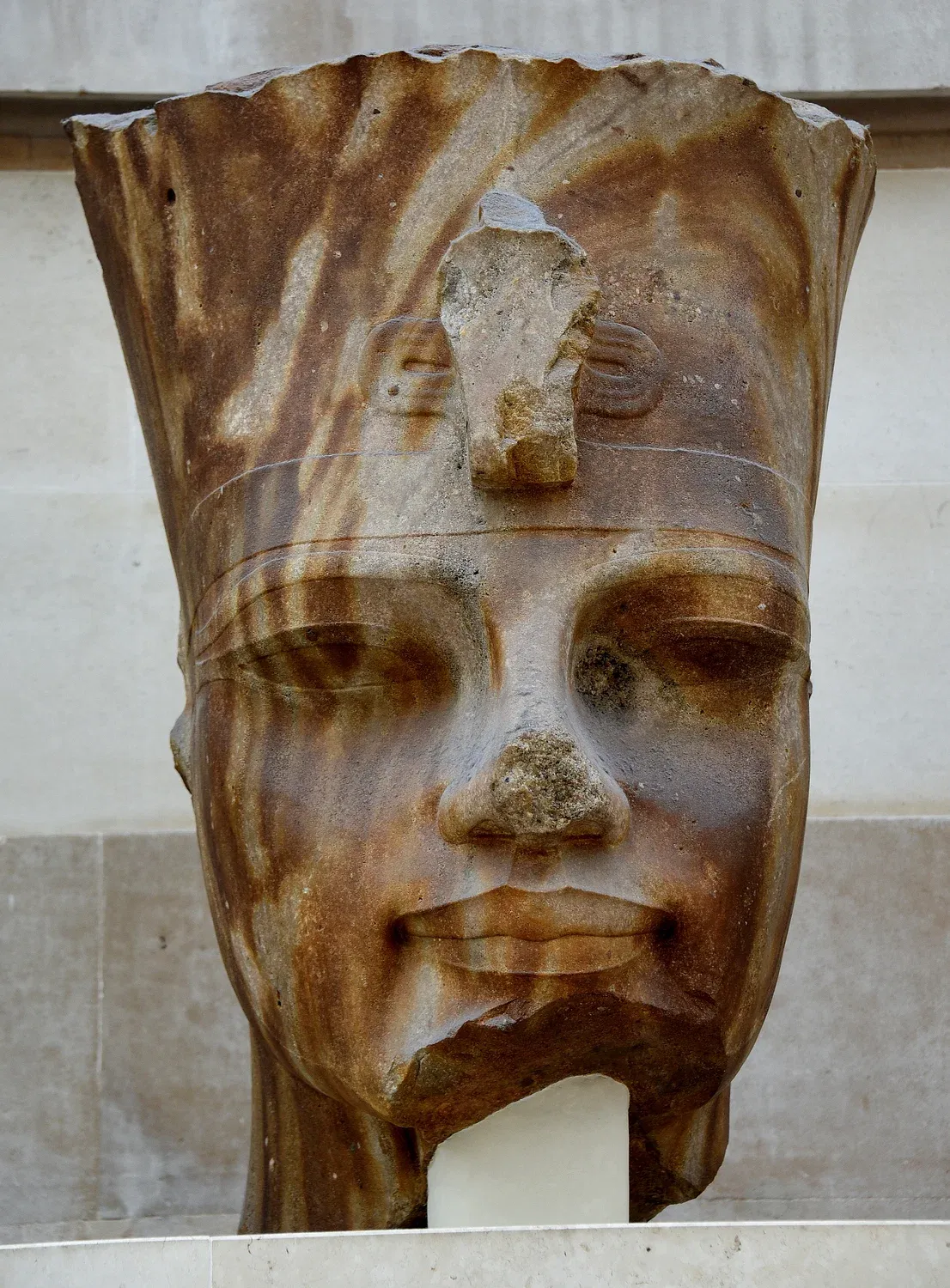
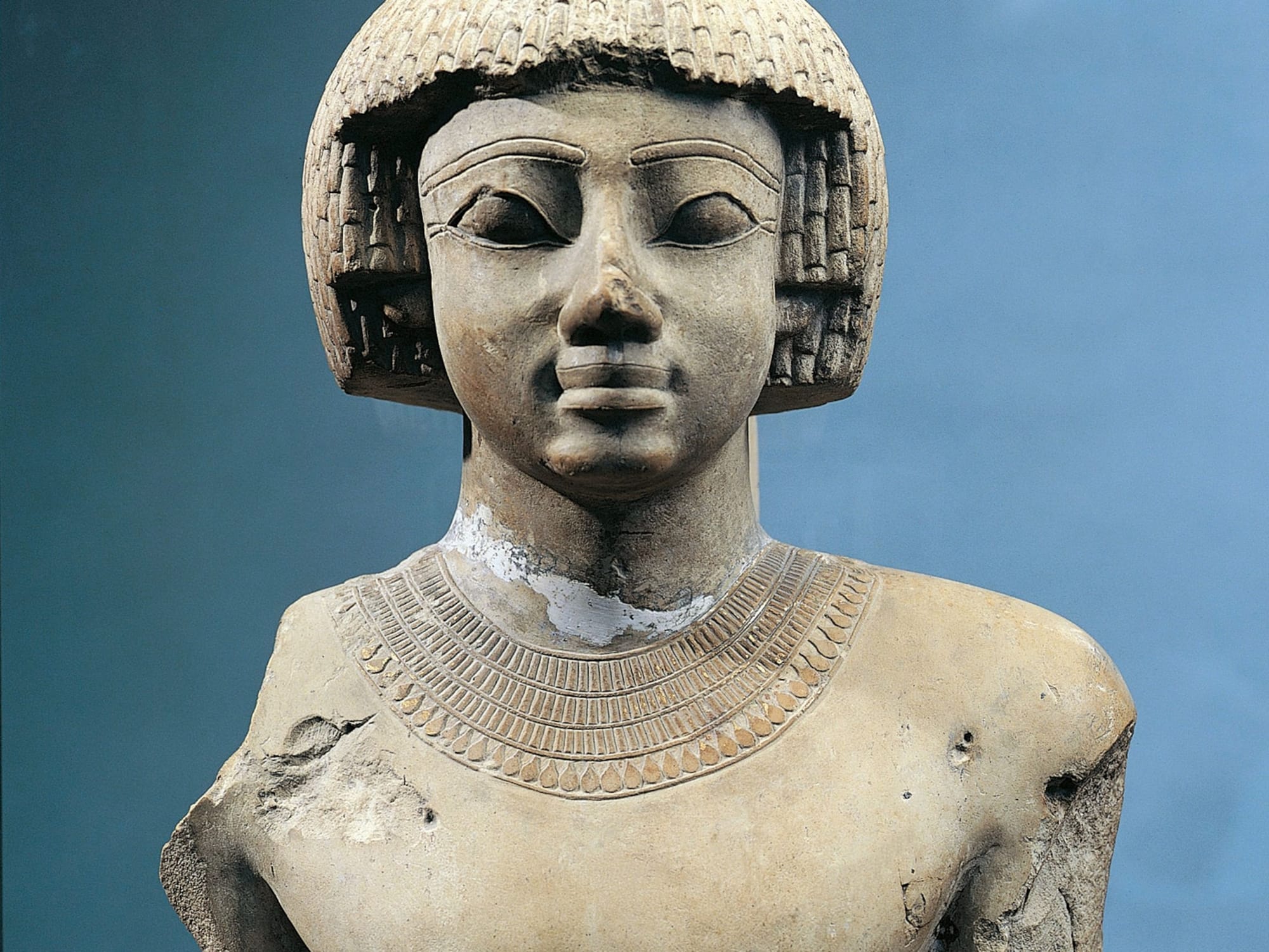
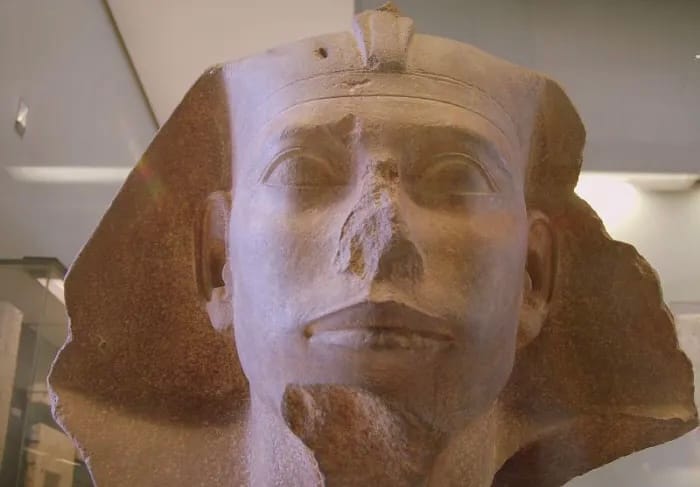
During the indigenous reign of ancient Kemet, rulers were expected to exhibit and uphold the principles of Ma'at.
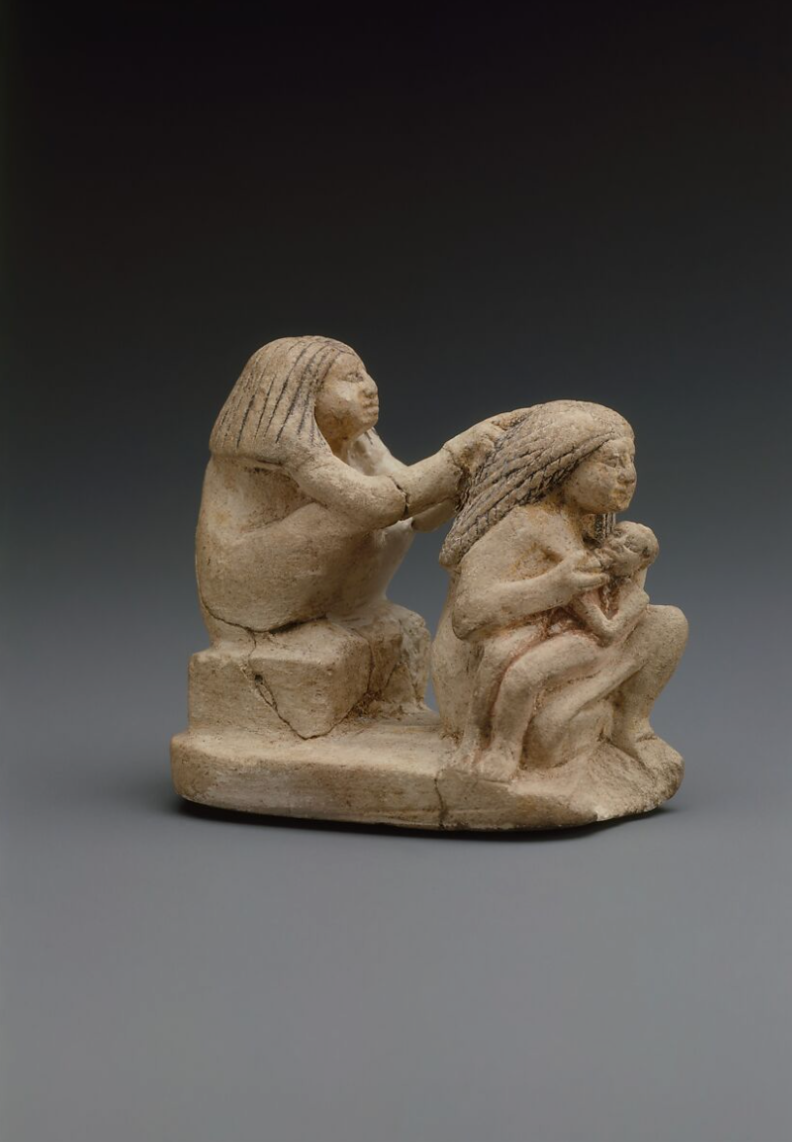
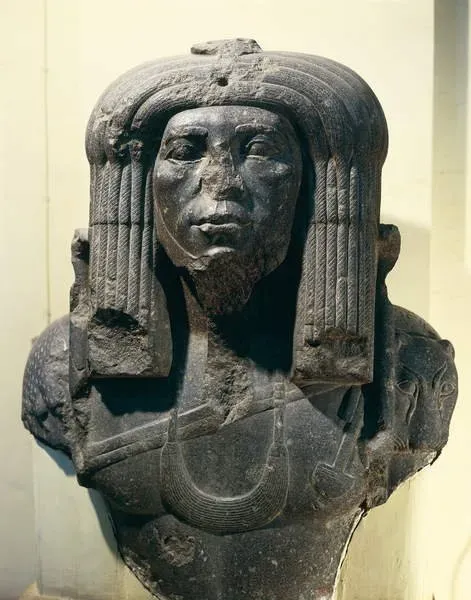
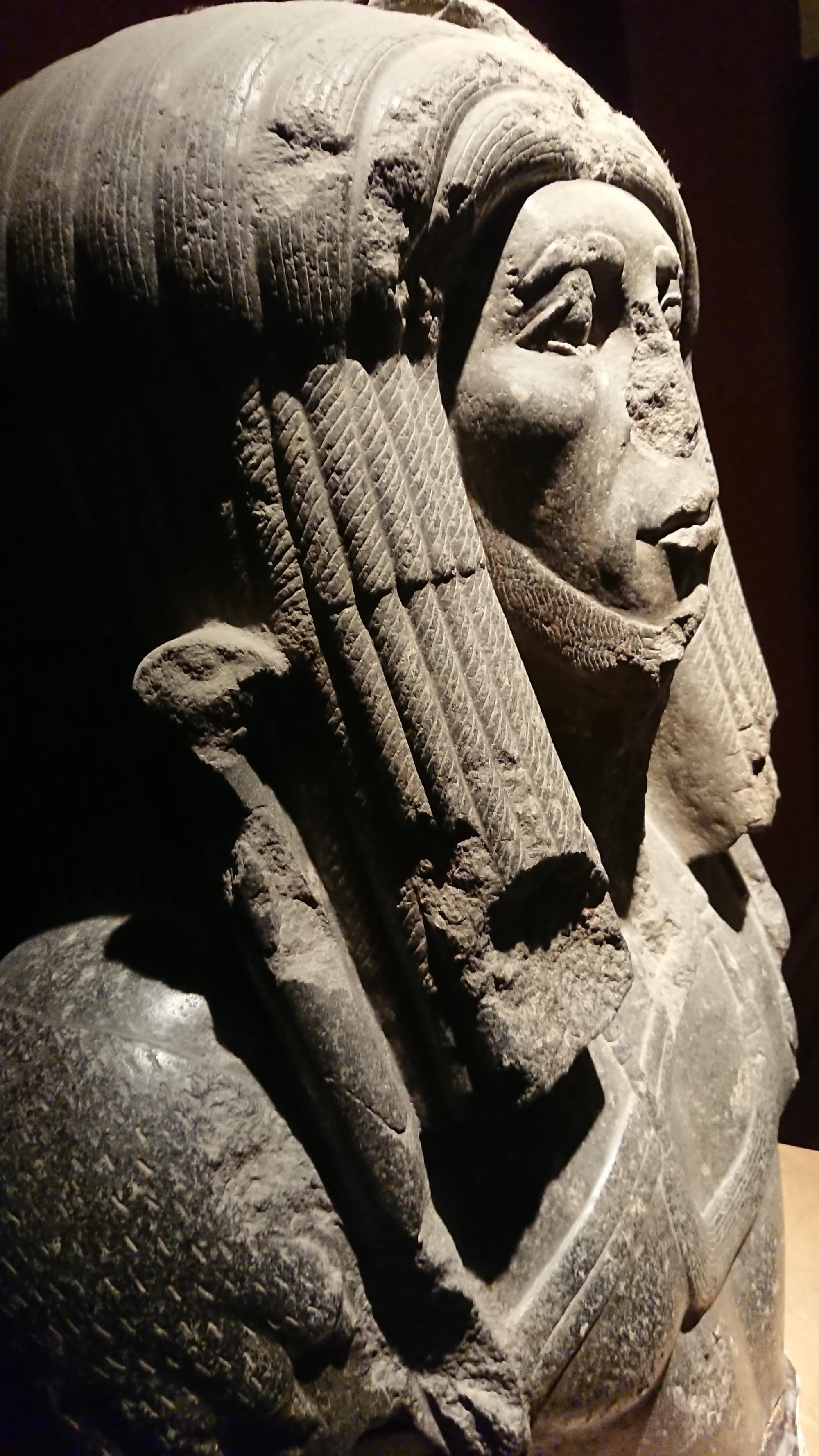
King Amenenhat III
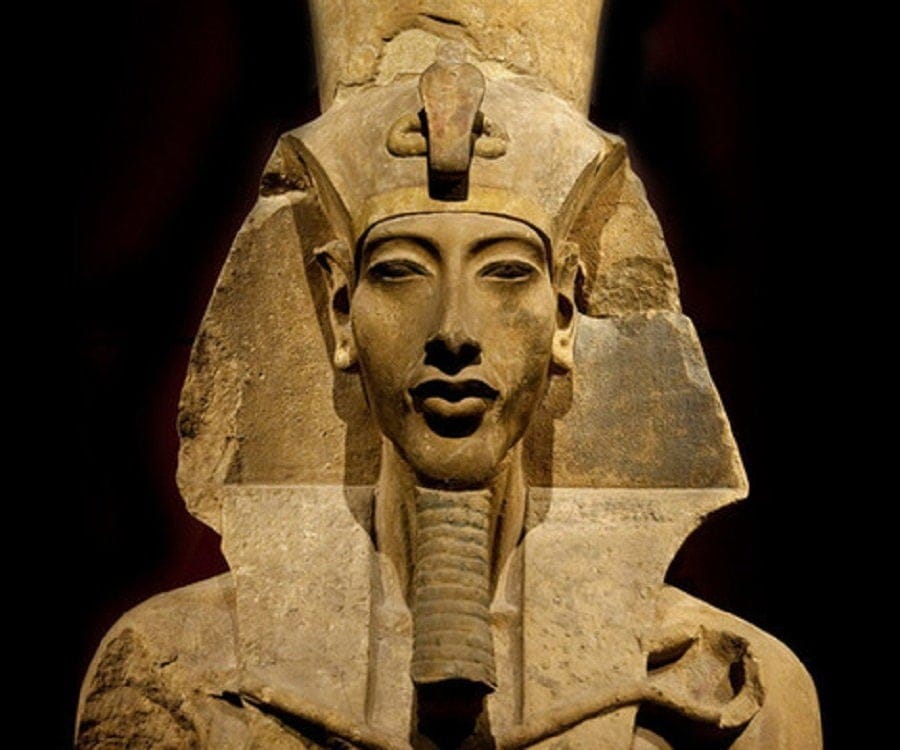

Footage from Egypt in 1925.
 B. Francis Clark
 B. Francis Clark
 B. Francis Clark
 B. Francis Clark
 Zac Ntim
 B. Francis Clark